Gianni Infantino Re-Election: Controversy and Global Support Amid Scandals
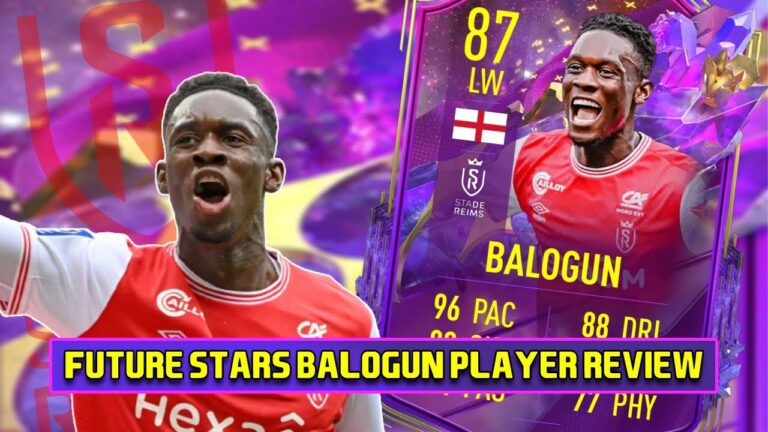
Gianni Infantino’s re-election as FIFA president has garnered overwhelming support, with endorsements from more than 200 countries, positioning him for a potential fourth term despite the ongoing controversy surrounding the Balogun scandal. As FIFA elections approach, the anticipation builds, with only a handful of football associations refraining from voicing their backing. Notably, while most countries have rallied behind Infantino, UEFA’s opposition looms large due to concerns over FIFA governance issues that have arisen from recent incidents, including the Balogun affair. The political landscape remains stable for Infantino, as the absence of a significant challenger further solidifies his path to a landslide victory at the upcoming congress in March. Despite the turmoil, it appears that Infantino’s governance continues to thrive, with member associations already committing their support ahead of the pivotal vote.
As the FIFA presidential race heats up, Gianni Infantino’s bid for a fourth term is surrounded by intrigue and dissent. Many national football federations have firmly aligned themselves with Infantino, celebrating his leadership even as debates regarding FIFA’s operational integrity surface—particularly concerning the Balogun incident. With the opposition from UEFA highlighting serious concerns around the governance of FIFA, discussions around potential challengers for the presidency have emerged, though unity among European associations seems tenuous at best. In this charged political atmosphere, the landscape suggests that Infantino remains a formidable presence as he aims for re-election amidst growing scrutiny. While some view his leadership style as controversial, many see his presidency as a continuation of stability in the world of international football.
Gianni Infantino’s Re-election: A Historic Fourth Term Amidst Controversy
Gianni Infantino is set to secure a historic fourth term as FIFA president, having garnered formal endorsements from over 200 national football associations across the globe. Despite the recent Balogun scandal, which incited discussions about FIFA’s ethical standards and governance, the overwhelming support reflects a significant backing from most member countries. Critics may argue that some associations felt pressured to show allegiance, but the sheer number of endorsements indicates a strong base that Infantino has cultivated during his previous tenures.
The upcoming FIFA elections scheduled for March are pivotal for the organization. With only a handful of member associations, including notable exceptions like Germany, expressing their reluctance to support him, the path seems clear for Infantino. His leadership has been characterized by ambitious reforms and a focus on expanding football’s global reach, which resonate with many FAs. As a result, even with the specter of controversy hanging over his re-election campaign, it appears that a political upheaval strong enough to contest his continued leadership would require extraordinary circumstances.
UEFA’s Opposition and the Future of FIFA Governance
The tension between UEFA and FIFA has been palpable in recent months, particularly highlighted by UEFA’s vocal opposition to Infantino’s handling of various issues, including the Balogun incident. UEFA’s discontent stems from concerns over FIFA’s governance and its approach to decision-making, which they argue lacks transparency and fairness. The exclusion of referee Omar Artan from participation in the World Cup further exacerbates these concerns, drawing attention to broader systemic issues within FIFA.
As the FIFA elections draw near, discussions within UEFA regarding a potential candidate to challenge Infantino are becoming increasingly complex. While the idea of uniting multiple federations behind a single candidate has been floated, the divisions among European football associations make such an outcome unlikely. Nonetheless, the prospect of a challenger could ignite discussions about FIFA’s governance structure and the necessity for reforms that prioritize ethical practices in football administration.
The Balogun Scandal and Its Impact on FIFA Elections
The recent Balogun scandal, which involved allegations of political interference in officiating decisions, has marred the lead-up to the upcoming FIFA elections. Donald Trump’s admission of lobbying FIFA to reconsider a suspension raises red flags about the integrity of football governance. Despite this backdrop of controversy, Gianni Infantino’s strong support base appears unfazed, suggesting that many believe the organization can overcome such scandals and continue to push forward with its agenda.
This incident has opened the door to discussions around the need for a comprehensive overhaul of FIFA’s governance mechanisms, emphasizing transparency and accountability. While Infantino’s re-election is almost guaranteed, the fallout from scandals like Balogun’s reinforces the calls among critics, particularly within UEFA, for a deeper examination of the organization’s practices. A diligent review of these issues may be necessary to restore public trust in FIFA’s leadership and operations.
Political Landscape of FIFA: Endorsements and Reactions
As Infantino eyes a fourth term, the political landscape within FIFA reflects a mix of support and skepticism. The endorsement from over 200 national associations showcases a certain level of confidence in his leadership. However, the dissent originating from European nations, particularly UEFA, indicates that not all FAs are willing to overlook the implications of the Balogun scandal. This dichotomy presents a complex situation where Infantino’s reign could either be solidified or challenged in the coming months.
The formally expressed support from FIFA members stands in stark contrast to the silent reluctance of some European entities. The dynamics within the governing bodies will play a crucial role during the elections, especially as they highlight the underlying tensions regarding FIFA’s management and policy direction. Infantino’s ability to navigate these political waters effectively will ultimately dictate the future of FIFA’s governance and its relationship with UEFA.
The Reaction of Major Football Associations to Infantino’s Leadership
The reaction of major football associations to Gianni Infantino’s leadership has been varied, with most endorsing his ongoing campaign for a fourth term. This overwhelming support suggests that many in the international football community align with his vision for the future of the sport. However, significant opposition arises primarily from UEFA, which feels that certain issues, including player controversies and officiating standards, demand attention and reform.
While many football associations celebrate the growth and expansion initiatives led by Infantino, UEFA’s unique stance highlights ongoing concerns about how FIFA handles governance issues. This disparity could play a crucial role in election outcomes, as growing fears of a fracture between FIFA and UEFA over governance could impact support from European federations. The balance between tackling these internal dilemmas and maintaining a united front will be essential in shaping FIFA’s future.
The Weight of Global Endorsements in FIFA Elections
Global endorsements for Gianni Infantino’s re-election showcase a significant level of trust from member associations, particularly outside of Europe. With support solidifying from showings in regions like Africa and Asia, it’s clear that Infantino’s outreach has resonated with diverse football cultures. This support plays a crucial role, as FIFA elections are not just about a single individual’s leadership, but also about the representation and priorities of a global network of football associations.
However, the weight of these endorsements must be understood in the context of ongoing controversies, including the Balogun scandal. While Infantino enjoys robust backing, the criticisms from UEFA and concerns about governance practices cannot be brushed aside. Effectively addressing these issues in the weeks leading up to the elections could either bolster or weaken his position as FIFA president.
Infantino’s Leadership Philosophy and Future Directions
Infantino’s leadership philosophy has revolved around expansion, inclusion, and financial growth for FIFA and its member associations. By prioritizing these aspects, he has aimed to create a globally unified vision for football. His resolve to pursue a historic fourth term suggests confidence in his agenda and the belief that it has positively impacted global football development.
As the elections approach, there is a growing anticipation of how Infantino plans to address the emerging challenges within FIFA. While being invigorated by the endorsements, he must navigate criticisms and a fragmented European front cautiously. Setting a clear and transparent agenda for governance reforms could strengthen his legitimacy and address the discontent bubbling within certain segments of European football.
Discontent Among European Football Federations
The discontent expressed by European football federations paints a picture of a divided front regarding Infantino’s presidency. UEFA’s criticism of FIFA’s governance and the handling of recent controversies has amplified calls for a rethink of leadership priorities. Several European FAs, feeling overshadowed by the global support for Infantino, are pushing for a leader who can resonate with their specific needs and challenges.
This discord, particularly surrounding issues tied to ethical governance and decision-making transparency, illustrates the complexities of Football as a global sport. While the overwhelming support for Infantino from the majority of FIFA’s member associations seems impervious to dissent, the growing dissatisfaction among European nations could lead to significant debates about the future direction of FIFA, particularly as it pertains to governance policies.
FIFA’s Future: Challenges and Opportunities Ahead
As Infantino prepares for re-election, the challenges and opportunities facing FIFA cannot be understated. While endorsements demonstrate strong support, the undercurrents of dissent signify that transformative changes may be necessary to maintain harmony among global football associations. Engaging critically with the issues raised by UEFA and other critics can help pave the way for a more unified FIFA moving forward.
Opportunities for reform are ripe, especially in light of recent scandals, including the Balogun situation. Addressing these concerns proactively could bolster FIFA’s reputation and restore confidence among stakeholders. Infantino’s ability to unify divergent interests will not only impact his prospective fourth term but could also shape the trajectory of international football governance.
Frequently Asked Questions
What are the implications of Gianni Infantino’s re-election for FIFA governance?
Gianni Infantino’s re-election for a fourth term as FIFA president is expected to solidify his influence over FIFA governance. With support from more than 200 countries, despite opposition from UEFA and controversies like the Balogun scandal, Infantino’s leadership could lead to continuity in FIFA’s policies and decision-making processes. His re-election indicates a strong endorsement from member associations, even in the face of dissent from European football bodies.
| Key Point | Details |
|---|---|
| Endorsements | Over 200 countries support Infantino for re-election. |
| Opposition | Only a few national associations, mainly European countries, have not declared support. |
| UAEF Position | UEFA has expressed clear opposition to various FIFA actions, including the Balogun scandal. |
| Political Dynamics | Political upheaval is needed to dislodge Infantino, as he currently has no serious opposition. |
| Candidate Submission | Formal candidate nominations must be submitted by 18 November. |
| EUFA Candidate Discussion | There is sporadic talk of a Europe-backed candidate, but consensus seems unlikely. |
Summary
Gianni Infantino’s re-election is marked by overwhelming support from more than 200 countries, solidifying his position as the incumbent FIFA president. Despite facing opposition, particularly from UEFA and a few hesitant national associations, Infantino remains the singular candidate ahead of the election. Historical controversies surrounding FIFA, like the Balogun fiasco, have not diminished the majority’s confidence in his leadership, indicating a landscape where political consensus against him may be hard to achieve. As the world of football gears up for the upcoming congress in March, discussions among member associations may shift towards FIFA’s governance and future, overshadowed by Infantino’s stronghold on the presidency.