USA World Cup Defeat: An Unforgettable Exit Against Belgium
The USA World Cup defeat against Belgium marked a somber end to what many fans had hoped would be a transformative tournament for American soccer. With aspirations high and a nation rooting for glory, the team’s 4-1 loss in the Round of 16 left supporters in shock. Key moments, such as Folarin Balogun’s controversial red card, brought uncertainty and frustration, overshadowing the team’s earlier impressive performances. Throughout the match, the glaring deficiencies in defense and missed opportunities haunted the players, who had dazzled earlier in the group stage. As the echoes of longing for the World Cup 2026 resound, fans are left pondering the pain of this US soccer loss and what it means for future potential.
In the latest chapter of international soccer, the USA faced a harsh reality following their shocking exit from the World Cup, succumbing to Belgium in a decisive match. This unexpected outcome raised many eyebrows as the nation had rallied behind a team on the brink of greatness, eager to improve its global reputation in the sport. The dramatic events surrounding the dismissal of Folarin Balogun highlighted the tension and passion that surrounded the squad as they prepared for the challenge. Supporters had witnessed the thrilling soccer highlights of earlier victories, only to be left reeling by the team’s lackluster performance against a fierce opponent. As the soccer community reflects on the lessons from this defeat, hopes are pinned on a revitalized campaign in the next World Cup.
USA World Cup Defeat: A Disheartening End
The United States soccer team’s journey in the 2026 FIFA World Cup came to a disheartening halt with a staggering 4-1 defeat against Belgium. This unfortunate elimination marked a familiar pattern for the American side, finding themselves ousted at the round of 16. Fans had hopes for a new era in U.S. soccer, where the national team could finally conquer the challenges of the global stage, yet once again they were met with bitter disappointment. This latest defeat raises questions about the team’s preparation and ability to perform under pressure, especially considering the high expectations from fans and the media alike.
The match itself revealed flaws in the U.S. team’s structure, evidenced by missed defensive assignments and a panic-inducing moment from goalkeeper Matt Freese. While the U.S. had moments of brilliance earlier in the tournament, these were overshadowed by the team’s inability to maintain composure when it mattered most. The loss begs the query: will the U.S. learn from this latest setback as they prepare for future tournaments, including the imminent World Cup in 2030?
Folarin Balogun’s Red Card Controversy
In the lead-up to this critical match against Belgium, all eyes were on Folarin Balogun following his red card incident. His reinstatement, fueled by political discussions, turned into a controversial talking point that loomed over the team. While Balogun proved he could perform at a high level, the psychological aftermath of the red card undoubtedly impacted the team’s morale. His critical role in the team’s advance through the group stages had forged expectations, but the burden of headlines may have weighed him down, ultimately affecting the overall team synergy.
The U.S. soccer community has been buzzing with discussions about the implications of Balogun’s red card. Supporters had envisioned him as a game-changer, drawing on insights from highlights of previous matches where he showcased his scoring prowess. However, the game against Belgium proved that controversies can overshadow a player’s performance, leaving the team vulnerable. How the team and Balogun rebound from this will significantly influence their prospects in upcoming competitions, particularly as they head toward World Cup 2026.
Reflections on the Belgium-US Match
The match against Belgium served as a profound reflection on the current standing of U.S. soccer. For the first time in decades, the U.S. team exhibited flashes of brilliance, scoring goals that left fans hopeful for a deeper run in the World Cup. Yet, this promising performance was juxtaposed against unguarded moments that highlighted persistent deficiencies in their playstyle, notably defensive lapses that were ruthlessly exploited by Belgium’s skilled attackers. The game reiterated how far U.S. soccer has come while simultaneously exposing the gulf that still exists between them and the world’s elite.
Fans were once again left grappling with a sense of what could have been. The vibrant atmosphere in the stadium, filled with U.S. supporters rooting for their team, quickly turned to dismay as Belgium capitalized on the mistakes. The sequence of events on the field demonstrated how quickly fortunes can change in soccer, bringing both engaging drama and sobering lessons to the U.S. squad. Discussions about squad improvements and player development will be crucial as they assess their next steps leading into the next World Cup.
Lessons Learned from a Heartbreaking Tournament
As the dust settles from this crushing World Cup defeat, the U.S. soccer team faces a critical juncture in its development. The match against Belgium was not just a loss; it was an opportunity to learn vital lessons about teamwork, strategy, and execution under pressure. Historically, the U.S. has faltered at crucial moments, and this game demonstrated the need for not only skill but also mental resilience. It’s a reflection of the necessary evolution that must occur if they hope to contend in future tournaments, especially with aspirations set high for the 2026 World Cup.
The coaching staff and players must dissect the performance thoroughly, focusing on moments of overconfidence that led to avoidable errors. Strategies need refinement, and attention to detail must become paramount in training sessions. This defeat serves as a wake-up call reminding the team and its supporters that while potential exists, it must translate into consistent performance against formidable opponents like Belgium. Moving forward, U.S. soccer needs to harness this disappointment, using it as a driving force to improve and innovate ahead of their next international campaign.
Future Aspirations for US Soccer
Despite the sorrowful end to their 2026 World Cup campaign, there remains a palpable sense of hope surrounding U.S. soccer’s future. With a growing fanbase and an influx of young talent, there is an optimistic outlook that this setback could serve as a stepping stone toward greater success. The emergence of players like Folarin Balogun showcases a promising generation that could redefine the landscape of American soccer. Discussions are already circulating concerning upcoming friendly matches and how they can adjust strategies to build a more cohesive and effective unit.
Moreover, with the upcoming World Cup set in the United States approaching rapidly, the emphasis on performance will only intensify. The U.S. team’s management is likely to adopt insights and tactical revisions based on their experiences in the recent World Cup, ensuring they are better prepared to face high-pressure scenarios. For American soccer fans, the ambition remains tangible as they look ahead with renewed enthusiasm for what the future holds in store.
The Role of Fans in US Soccer’s Journey
Fans play a pivotal role in the journey of U.S. soccer, often serving as the backbone of motivation and support. The emotional investment of millions, especially during high-stakes moments like the match against Belgium, demonstrates the fervor and passion that exist within the American soccer community. This intense support can significantly impact the morale of the players, encouraging them to push through challenges. As the U.S. team reflects on their performance, the presence of their devoted followers cannot be overlooked.
Moving forward, it will be essential for the team to foster a stronger connection with their fanbase, engaging them through outreach and community events. Fans bring energy that can elevate the performance of players on the field, and U.S. soccer aims to build a meaningful relationship that extends beyond mere matches. By increasing fan engagement, the team can create a vibrant atmosphere that inspires future generations to embrace and support the growth of soccer in America.
Analysis of Tactical Missteps Against Belgium
The tactical choices made by the U.S. coaching staff in the match against Belgium warrant close scrutiny. While the team showed promise in prior matches, the approach taken in this knockout stage was called into question as they struggled to contain Belgium’s attacking prowess. Misplaced passes and lackluster defensive assignments highlighted significant tactical flaws that Belgium capitalized on effortlessly. As they move ahead, it’s crucial to analyze whether the strategies employed aligned with the players’ strengths or overly complicated their gameplay.
In addition to scrutinizing formations and player roles, it’s important for coaches to reflect on in-game adjustments. The absence of timely substitutions or tactical switches during periods of decline has previously been a concern for the squad. Ensuring that your tactical plan is adaptable to the flow of the game is essential in a tournament format. Going forward, U.S. soccer must embed a culture of tactical awareness and flexibility, particularly in crucial matches, to compete with top-level international teams.
The Impact of Media and Public Perception
The influence of media narratives and public perception cannot be understated in the realm of sports. Following the U.S. soccer team’s dismal loss to Belgium, commentary and analysis from various media outlets sparked discussions on whether expectations exceeded reality or if the team simply underperformed. Public sentiment can sway in an instant, turning from enthusiastic support to scrutiny, as fans and analysts collectively assess the results. As they prepare for the upcoming cycles, the U.S. team must navigate these narratives adeptly.
Moving forward, establishing a strong media strategy that engages fans while managing expectations will be integral for U.S. soccer. Creating transparent communication pathways can help combat negative narratives and foster a sense of unity among players, coaches, and supporters. For the team to grow and aspire toward success, they’ll need to embrace both criticism and praise while focusing on the adjustments needed to elevate U.S. soccer on the world stage.
Preparing for the Next World Cup: Strategies for Success
With the harsh lessons learned from their World Cup 2026 exit, U.S. soccer is now at a pivotal point in its preparation for the next international competition. Strategic planning and targeted training will be essential in addressing the structural weaknesses exposed by Belgium. This necessitates a focus on refining defensive strategies, enhancing teamwork, and instilling a robust mental fortitude that can withstand the rigors of global competition. Creating a clear pathway for upcoming talent to integrate into the national squad will also be crucial.
Moreover, the forthcoming years will require an investment in player development and scouting to ensure a strong pipeline of talent as the U.S. gears up for future tournaments. Implementing innovative methods of training and fostering a competitive spirit within domestic leagues can significantly elevate the national team’s standards. The road to World Cup success is undoubtedly filled with challenges, yet the hope and determination of players, fans, and supporters will undoubtedly play a crucial role in transforming these ambitions into reality.
Frequently Asked Questions
What led to the USA World Cup defeat against Belgium in 2026?
The USA World Cup defeat against Belgium in 2026 can be attributed to a series of defensive errors, including missed assignments and goalkeeping mistakes. Despite a promising start, highlighted by Malik Tillman’s equalizing goal, the US team ultimately succumbed to Belgium’s strategic play and capitalized on their mistakes, leading to a disappointing 4-1 loss in the last 16.
| Key Point | Details |
|---|---|
| Match Overview | The USA was eliminated from the World Cup after a 4-1 defeat to Belgium in the last-16. |
| Controversial Red Card | Folarin Balogun’s red card became a major talking point, affecting the team dynamics and public perception. |
| Belgium’s Strategy | Belgium surprised audiences by leaving out star players Kevin de Bruyne and Jérémy Doku. |
| Defensive Struggles | The US defense struggled with missed assignments and poor giveaways throughout the match. |
| Key Player Performance | Malik Tillman scored on a free kick, but overall the team failed to capitalize on opportunities. |
| Goalkeeping Error | Matt Freese made a critical error that allowed Belgium to extend their lead. |
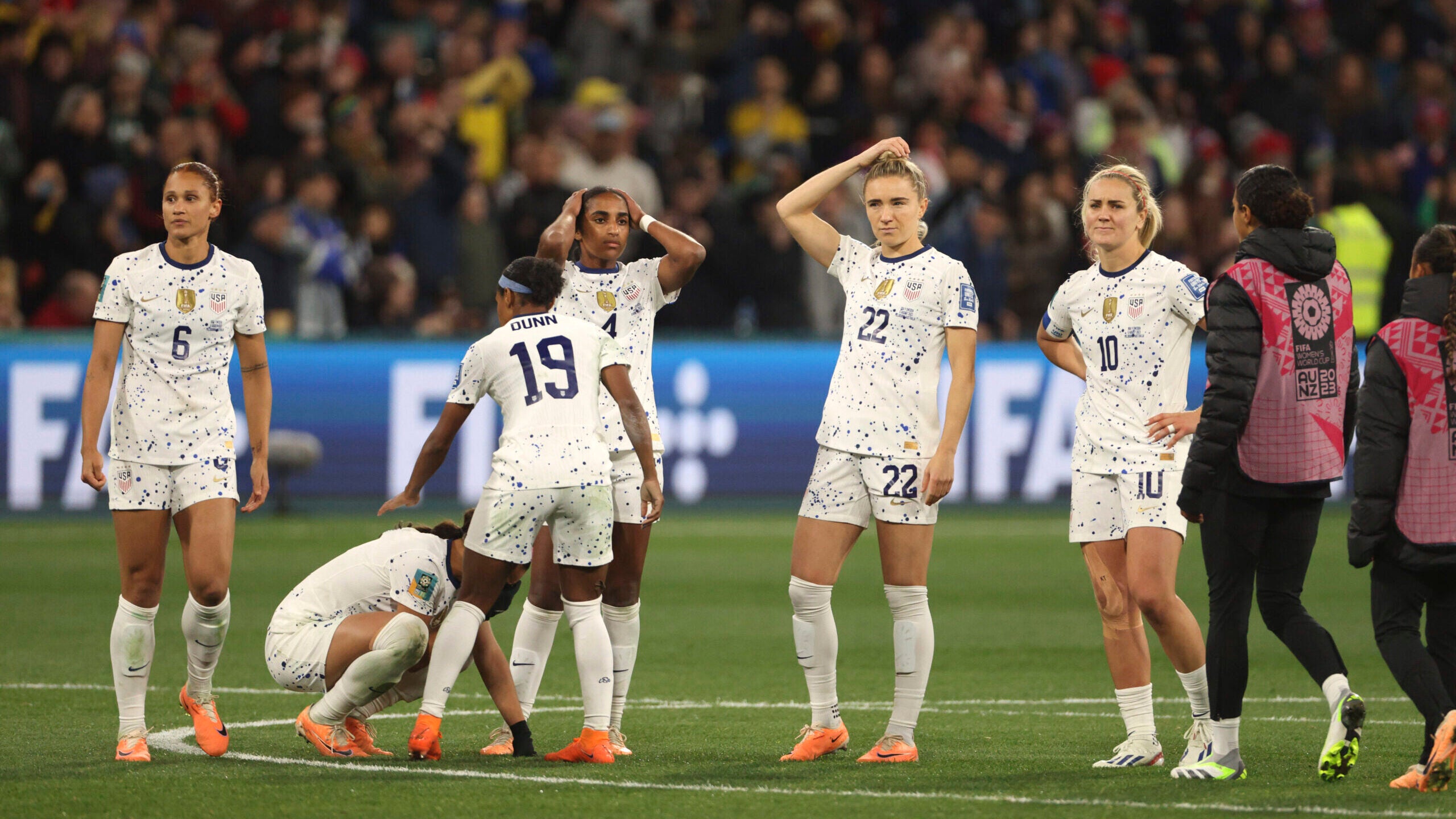
| Aftermath | Players were devastated; the loss marked yet another disappointing end for American soccer at the World Cup. |
Summary
The USA World Cup defeat at the hands of Belgium serves as a stark realization of the challenges that American soccer continues to face on the world stage. Despite hopes of a revival and the potential for glory, the journey ended abruptly with a stunning 4-1 loss. This match showcased not only the vulnerabilities within the team but also the contrasting strategies employed by Belgium, highlighting the disparity in experience and execution. Fans watched eagerly as the US squad failed to translate their promising performances into this crucial match, leading to critical defensive blunders and a heartbreaking elimination that echoes the struggles of past World Cup campaigns. As the dust settles, many will reflect on what could have been, hoping for redemption and stronger performances in future tournaments.