Spain World Cup Victory: How Ferran Torres Made History Again
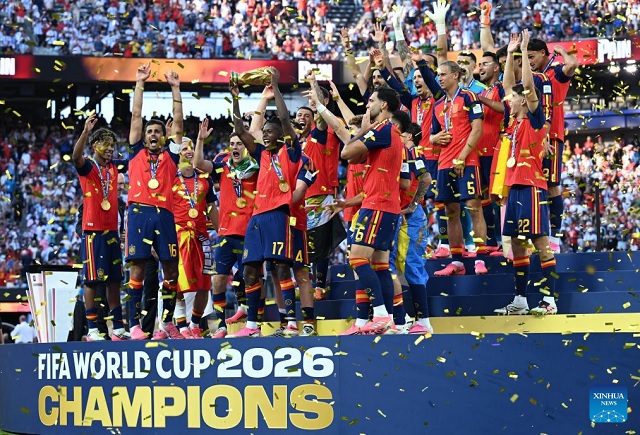
Spain World Cup victory shines a bright light on the nation’s illustrious football history, as they claimed their second title in a thrilling showdown against Argentina in the 2026 final. With a heart-stopping goal from Ferran Torres in the 106th minute, Spain secured a 1-0 victory, marking a pivotal moment in their journey. Throughout the match, Spain displayed relentless dominance, taking 20 shots without allowing Argentina a single shot on target. Under the strategic management of Luis de la Fuente, Spain proved their mettle, echoing their first triumph in 2010 when they beat the Netherlands in a similarly dramatic manner. As the nation celebrates this remarkable achievement, the excitement for Spain World Cup 2026 continues to build, ensuring that the team’s future is as bright as their past glories.
The recent triumph of the Spanish national football team at the World Cup has captivated fans worldwide, further cementing their status in global football. The historical significance of Spain’s performance during the 2026 tournament is underscored by the standout moments, including Ferran Torres’ decisive goal in the final match against Argentina. This event not only added another chapter to Spain’s rich footballing legacy but also showcased the tactical brilliance of head coach Luis de la Fuente. As Spain prepares for the challenges that lie ahead, including ambitions for the next World Cup, the echoes of their hard-fought victory resonate throughout the footballing landscape.
Spain World Cup Victory: A Historic Moment
Spain’s triumph in the 2026 World Cup final marks a significant milestone in the country’s football history, as it secures their place alongside the elite nations that have lifted the trophy multiple times. Winning against the formidable Argentina, the defending champions, underscores Spain’s emergence as a powerhouse in international football once again. This victory not only reflects Spain’s resilience on the pitch but also the evolution of their tactical play under the management of Luis de la Fuente, who has effectively steered the team through challenging matches, culminating in this prestigious win.
The atmosphere in the stadium was electric, with fans rallying to support their team throughout the match, climaxing in Ferran Torres’ extraordinary goal in extra time. This moment became a defining highlight of the tournament, reminiscent of unforgettable World Cup moments from Spain’s glorious past, particularly their first victory in 2010. The juxtaposition of these two moments highlights Spain’s football dynasty and demonstrates how they’ve maintained a competitive edge in international play.
Ferran Torres: The Hero of the Final
Ferran Torres emerged as the hero of the 2026 World Cup final when he scored the pivotal goal that secured Spain’s victory over Argentina. His 106th-minute strike was a culmination of Spain’s persistent attempts to break through Argentina’s solid defensive setup. Across the match, Torres showcased his exceptional skill and determination, seizing the moment to leave his mark on history much like Andres Iniesta did years ago. This goal not only celebrates Torres’ prowess as a former Manchester City player but also demonstrates his commitment to the national team, making him a figure to watch in future tournaments.
Following his goal, Torres’ performance throughout the match is commendable, particularly considering the pressure he faced in an intense showdown with Argentina. His synergy with fellow players like Nico Williams, whose backheader set up Torres perfectly, highlights the importance of teamwork in football. As Spain celebrated on the field, Torres became a symbol of hope and inspiration for young footballers aspiring to achieve similar greatness in their careers.
Luis de la Fuente’s Tactical Brilliance
Under the astute management of Luis de la Fuente, Spain has achieved remarkable success in international football, illustrated by their recent World Cup win. De la Fuente’s ability to adapt tactics and make crucial substitutions played a pivotal role in Spain’s journey through the tournament. His deep understanding of the game allowed Spain to outmaneuver their opponents, uniquely positioning them to claim their second World Cup title. Analysis of de la Fuente’s strategies reveals a commitment to dynamic team play and effective defensive structures, essential components in overcoming tough opponents such as France and Argentina.
The camaraderie fostered by de la Fuente also brought forth a resilient squad capable of handling high-stakes situations. This was especially evident in the final, where Spain maintained dominant possession to stifle Argentina’s attacking threats, a clear testament to de la Fuente’s preparation and mindset. His management style has revitalized Spain’s football identity, ensuring players thrive under pressure, which ultimately led to a historic World Cup victory. As Spain moves forward, de la Fuente’s continued leadership will be crucial in cultivating the team’s legacy.
Match Review: Spain vs Argentina Final
The final match between Spain and Argentina was a spectacular showcase of football prowess, ending with Spain emerging victorious with a hard-earned 1-0 win. Spain’s ability to maintain control of the game against a reputed team like Argentina, especially given their recent success in international tournaments, reflects the depth and determination of their squad. With Spain taking 20 attempts at goal while Argentina failed to register any shots on target, it becomes evident that Spain’s strategic approach and relentless pressure were integral to their success.
The match was characterized by intense moments, including a controversial disallowed goal that ignited discussions among fans. The tactical discipline displayed by Spain, especially after Argentina’s Enzo Fernandez received a red card, demonstrated their capability to capitalize on opportunities. Spain’s resolute defense combined with an aggressive forward strategy ultimately proved too much for Argentina, reaffirming Spain’s place in the annals of football history.
Spain’s Unmatched World Cup Journey
Spain’s journey to the 2026 World Cup title was remarkable, marked by a series of challenging matches that tested their mettle and strategy. Beginning with a draw against Cape Verde, their path was anything but easy; however, each game acted as a learning experience, enhancing their aggressive playing style. This solid journey through the tournament speaks volumes about the team’s preparation and adaptability, especially under the leadership of Luis de la Fuente, who has garnered respect for his innovative tactics and player management.
The decisive victories against strong teams, such as France and Argentina, not only highlight Spain’s skill but also emphasize the importance of mental resilience in critical situations. Emerging from these encounters with unwavering confidence, Spain’s win in the final showed that dedication to teamwork and tactical discipline could lead to greatness. This iteration of the World Cup will be remembered not only for the victory but for Spain’s transformative journey that showcased their evolution as a world-class football nation.
Analyzing Spain’s Efficient Backline
One of the most striking aspects of Spain’s 2026 World Cup success was their impenetrable defense, which played a key role in their matches, particularly in the final against Argentina. Throughout the tournament, they boasted an impressive defensive record, allowing minimal scoring opportunities for their opponents. The cohesion and communication within the backline were evident, providing a solid foundation that allowed for fluid transitions into attack, exemplified in the final where Spain’s defense effectively neutralized Argentina’s key players, including Lionel Messi.
The strategic placement of defenders and their ability to read the game significantly reduced the pressure on goalkeeper Unai Simon, ensuring that Spain’s focus could remain on offensive play. This disciplined and organized approach to defense is a testament to the training and tactics instilled by Luis de la Fuente, establishing a blueprint for future teams. The historical significance of this defensive strength can’t be understated, as it was integral in securing their second World Cup title, further solidifying Spain’s reputation as a formidable force in world football.
Spain’s Celebration: A Nation Unites
Following their World Cup victory, Spain erupted in joyous celebration, as fans across the nation took to the streets to commemorate this historic achievement. The euphoria witnessed in cities from Madrid to Barcelona showcased the unifying power of football, bringing communities together in a shared sense of pride and accomplishment. Street parties, parades, and public screenings of the final became a testament to the country’s passion for the sport, echoing the joy of their first World Cup victory in 2010.
This emotional resurgence not only reflected the excitement of football fans but also highlighted the inspiring narratives surrounding players like Ferran Torres and the managerial success of Luis de la Fuente. As Spaniards celebrated their team’s hard work, there was a palpable sense of hope and anticipation for the future of Spanish football, further enhancing the sport’s legacy in the nation. This victory will surely resonate for years to come, serving as a celebration of not only triumph but the spirit of unity in the face of challenges.
The Legacy of Spain’s Footballing Excellence
Spain’s 2026 FIFA World Cup victory cements their status as one of football’s elite nations and adds a remarkable chapter to their storied history. Ever since their inaugural World Cup title in 2010, Spain has experienced a renaissance in football, blending excellence with an attractive playing style that inspires admiration worldwide. Their commitment to nurturing talent through youth academies and consistent performance on major stages has built a legacy that will influence generations to come.
With skills and techniques that have been honed over decades, players like Ferran Torres represent the evolution of Spanish football, leading the charge into a future brimming with promise. The management of coaches like Luis de la Fuente, who focuses on development and tactical mastery, ensures that Spain will remain a competitive force in international football. The 2026 World Cup win will be remembered not only as a moment of glory but as a pivotal point that inspires the next wave of talent in Spain’s rich football history.
Frequently Asked Questions
How did Spain secure their victory in the World Cup final against Argentina?
Spain secured their World Cup victory in 2026 with a powerful 106th-minute goal from Ferran Torres, defeating the defending champions Argentina 1-0. The match saw Spain dominate with 20 shots on goal, while Argentina failed to register a single shot on target. Under the management of Luis de la Fuente, Spain’s tactical prowess and consistent pressure paid off, leading to this remarkable win, which adds a second World Cup title to their football history.
| Key Point | Details |
|---|---|
| Spain’s Victory | Spain won their second World Cup title, defeating Argentina 1-0. |
| Deciding Goal | Ferran Torres scored a powerful finish in the 106th minute. |
| Match Statistics | Spain had 20 shots, Argentina had none on target. |
| Lionel Messi’s Performance | Messi touched the ball only 54 times during the match. |
| Manager’s Record | Luis de la Fuente remains undefeated in tournament matches. |
| Historical Context | This victory echoes Spain’s first World Cup win in 2010. |
Summary
Spain World Cup victory marks a monumental achievement for the national team, as they secured their second title in a thrilling final against Argentina. In a match characterized by Spain’s relentless attack and Argentina’s defensive resilience, it was Ferran Torres’ decisive goal in the 106th minute that etched Spain’s name in the annals of football history once again. This victory not only reflects the evolution and strength of Spanish football but also highlights their dominating performance throughout the tournament, reaffirming their status as a football powerhouse.