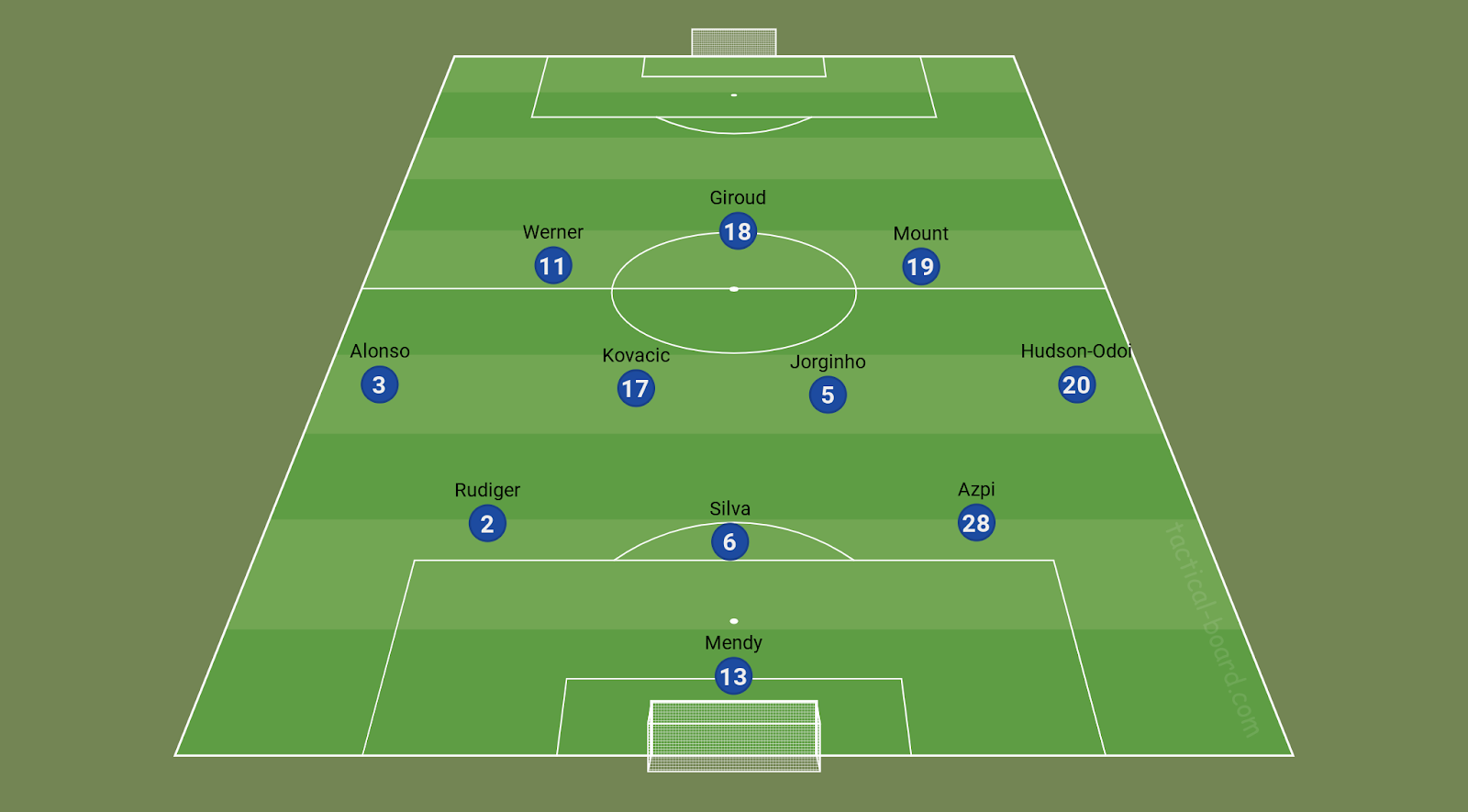
Norway vs England: Tactical Insights for the World Cup Quarter-Finals
The upcoming match of Norway vs England in the World Cup quarter-finals has football fans buzzing with anticipation. Both teams have triumphed in their respective round of 16 clashes, setting the stage for a thrilling showdown in Miami. With Thomas Tuchel at the helm, England aims to neutralize the threats posed by Norway, chiefly through the unstoppable Erling Haaland, who has been a scoring machine throughout the tournament. England’s defense faces a crucial test as they prepare for Norway’s tactical strategies, which have seen them outshine their opponents despite fewer chances. As this high-stakes encounter draws near, all eyes will be on whether Tuchel’s tactics can restrain Haaland’s formidable offensive play and propel England to the World Cup semi-finals.
As the World Cup quarter-finals approach, the clash between Norway and England invites intense scrutiny of their tactical approaches and player capabilities. Known for their strategic football methodologies, both nations have shown resilience, with England leveraging their depth and experience against Norway’s underdog determination. The star-studded focus on Erling Haaland highlights the undeniable threat he poses to the English defense, while Norway’s calculated football strategies aim to exploit any lapses in England’s organization. Meanwhile, Thomas Tuchel’s men will need to draw upon their offensive prowess to break through Norway’s defense and secure a spot in the next round. This matchup promises not only excitement but also a masterclass in football tactics and team dynamics.
England vs Norway: Key Tactical Matchups
In the highly anticipated World Cup quarter-final clash, the tactical matchups between England and Norway will play a crucial role in determining the victor. England, under the tactical guidance of Thomas Tuchel, will aim to capitalize on their attacking prowess to control the game’s tempo. The significant emphasis on creating goal-scoring opportunities has seen them dominate the metrics of shots taken; however, it is essential to note that Norway has proven adept at converting fewer chances into more goals, largely due to the clinical finishing of Erling Haaland. This juxtaposition of England’s volume shooting versus Norway’s efficiency presents an intriguing subplot.
Norway’s strategy sees a reliance on their midfield dynamism, particularly through key players such as Martin Ødegaard and Sander Berge. Their ability to facilitate quick transitions could exploit potential gaps in the England defense, especially considering the absence of Jarell Quansah, who was suspended after a sending off against Mexico. As England’s defensive line faces this inquiry, their success in managing these transitions will be critical in thwarting Haaland’s threats. Thus, these tactical nuances and matchups are pivotal, as they could indeed spell the difference between advancing to the semi-finals or returning home.
The Threat of Erling Haaland: A Tactical Conundrum for England
Erling Haaland’s presence on the field poses a unique tactical dilemma for the England side. Not only is he one of the most prolific scorers in world football, with a record that boasts a remarkable conversion rate, but his pace and power make him a constant threat in behind defenses. For England, the challenge is to contain him without sacrificing their own attacking verve. This often forces defenders to choose between dropping deep to contain Haaland or pressing high, potentially leaving spaces that could be exploited by Norway’s midfielders. Thomas Tuchel must ensure that his tactical setup accommodates this challenge effectively to minimize Haaland’s impact.
As the game approaches, England’s defenders will be tasked with formulating specific strategies to nullify Haaland’s threat. Close marking, employing physicality, and ensuring a compact defensive shape could be crucial strategies to mitigate his influence. However, this also places pressure on England’s midfield to quickly transition into offense when possession is gained. With Haaland lurking, any moment of indecision in defense could result in catastrophic consequences, not just for the match but for their World Cup journey as well.
Norway’s Counter-Attacking Strategy: Balancing Defense with Offense
Norway’s path to the quarter-finals has been characterized by a tactical ethos centered on swift counter-attacks, which has served them well against larger teams. Their ability to quickly transition from defense to attack is an aspect that has caused problems for many adversaries. The duo of Ødegaard and Berge is instrumental in linking play, allowing Norway to bypass England’s defensive setup and unleash Haaland in promising situations. Effectively balancing this counter-attacking strategy with a disciplined defensive line will be pivotal for their chances against England.
However, relying solely on counter-attacks may expose Norway to vulnerabilities, particularly against a side as potent as England. The need for Norway’s backline to remain vigilant and organized is paramount, as England’s speed and technical capabilities could exploit any momentary lapses. Thus, a robust understanding of their tactical requirements will be essential if they wish to not only withstand England’s offensive threats but also maximize their counter-attacking potential.
England’s Tactical Flexibility: Adapting to Norway’s Strategies
One of the hallmarks of Thomas Tuchel’s coaching style is his tactical flexibility. Against Norway, it is crucial for England to adapt based on the game’s nuances as they unfold. The ability to switch formations or adjust player roles on-the-fly could offer England the edge needed to break down Norway’s organized defensive structure. Players like Jude Bellingham and Declan Rice will be critical in this adaptability, acting as conduits between defense and attack to maintain fluidity.
Moreover, England must also prepare for Norway’s potential strategic shifts. Should Norway find early success through Haaland, they may employ a more defensive approach, inviting England to probe while looking for opportunities to counter. Tuchel’s foresight in preparing for these contingency plans will be essential in ensuring that England not only maintains its attacking identity but also effectively neutralizes any threats posed by Norway.
Defensive Concerns for England: Can the Backline Hold?
Following injuries and suspensions, England’s defensive line may face additional scrutiny heading into the clash against Norway. The absence of Jarell Quansah poses a significant challenge, as it forces England to adjust their defensive lineup. Marc Guehi’s hamstring concerns further complicate matters, likely leading to a reshuffling of an already tested back four. As England prepares to face Erling Haaland, it becomes imperative that whoever takes the pitch embraces a cohesive defensive strategy that effectively communicates and responds to pressing threats.
Additionally, Norway’s keen ability to exploit the channels that England previously relied upon for solidity must not be overlooked. As they’ve averaged over 1.8 goals per game, England can’t afford lapses in concentration, particularly given the high stakes of a World Cup quarter-final. It’s critical for England’s remaining defenders to maintain focus and execute their game plan without hesitation, ensuring they can withstand the pressure while also initiating their counter-offenses.
The Tactical Repercussions: Winning Midfield Battles
At the heart of both teams’ success lies the battle for control of the midfield. With players like Jude Bellingham and Declan Rice providing a physical and technical edge for England, it is vital that they assert dominance in this area. England’s ability to gain these critical midfield battles will determine not only their attacking success but also aid in containing Norway’s threat emanating from Berg and Ødegaard. The pace with which England can transition from midfield to attack could also provide them the upper hand as they cut through Norway’s backline.
On the flip side, Norway’s midfield duo must be allowed to operate effectively to fulfill their game plan. Should they find the spaces to operate freely, they can exploit England’s defensive lapses, especially against counter-attacks. Engaging in a battle for possession and working to maintain fluidity in ball distribution will be crucial for both sides – allowing for a tactical game of chess that could determine the ultimate outcome of this vital World Cup encounter.
Norway’s Physicality vs England’s Technicality
As the match approaches, the physicality of Norway will be tested against the technical prowess of England. Historically, Norway has leveraged their physical style of play to gain advantages over technically gifted teams. Players like Haaland thrive in physical confrontations, often using their strength to hold off defenders while seeking goal-scoring opportunities. This tactical juxtaposition is vital, as it often dictates how effectively each team can execute their game plan throughout the match.
However, England’s technical ability, heightened through Tuchel’s training regimen, provides them with methods to combat physical play. Their capacity to maintain possession, execute intricate passes, and orchestrate swift movements could offset Norway’s physical exploits. The effectiveness of England’s attack and how they can employ skillful play to navigate physical challenges presented by Norway will play an integral role in the match’s outcome.
Strategic Insights: How to Approach Set Pieces
Set pieces are often the key moments that can define a tight match such as England vs Norway in a World Cup quarter-final. England may look to leverage their height and physical presence during corners and free-kicks, employing well-rehearsed routines honed under Tuchel’s guidance. The ability to capitalize on these set pieces not only offers potential goal-scoring opportunities but can also create psychological advantages against a resilient Norway side who might struggle with defending in these situations.
Conversely, Norway will need to enhance their set-piece delivery, particularly with players like Ødegaard capable of delivering precise crosses into the box. Should they manage to exploit England’s potential weaknesses during defending set pieces, it may amplify their chances of scoring crucial goals. As the match unfolds, being vigilant during set pieces could indeed prove decisive in swinging the momentum for either team.
In-Game Adjustments: The Role of Substitutes
In a high-stakes encounter like Norway vs England, the role of substitutes could have a significant impact on the game’s dynamics. Managers might need to react quickly to tactical changes or player fatigue, making timely substitutions critical. For England, Tuchel’s ability to bring on fresh legs, particularly in areas where Norway is weak, can help maintain pressure and fluidity in attack. The depth of England’s squad provides a plethora of options that can shift the game in their favor whenever necessary.
On the other hand, Norway may need to deploy their bench effectively as the match progresses. Understanding how to utilize their substitutes strategically to combat England’s threats or to reinforce their own attacking schemes will be imperative. As the clock ticks, making the right calls regarding substitutions can bolster defenses, enhance offensive capabilities, or even allow the team to finish strong, creating a narrative of endurance and tactical prowess in a tournament as demanding as the World Cup.
Frequently Asked Questions
What tactical strategies will determine the outcome of Norway vs England in the World Cup quarter-finals?
In the Norway vs England quarter-final match, tactical strategies will play a crucial role. England’s attacking prowess, led by players like Jude Bellingham and Harry Kane, aims to penetrate Norway’s defense, focusing on exploiting gaps created by Norway’s midfield, particularly the Ødegaard-Berge axis. Conversely, Norway’s strategy hinges on minimizing chances while capitalizing on Erling Haaland’s goal-scoring abilities. The outcome will depend on which team can effectively implement their game plan under the tactical guidance of their respective coaches.
| Key Tactical Aspects | Norway | England |
|---|---|---|
| Challenges in the Round of 16 | Defeated Brazil 2-1 | Won against Mexico 3-2 despite playing with 10 men |
| Key Player: Erling Haaland | Scored 7 goals from 12 shots on target | Clinical finishing and highest xG per shot |
| Midfield Axis: Ødegaard-Berge | Effective at threading passes; crucial for attacks | Elliot Anderson and Jude Bellingham excel at breaking defensive lines |
| Defensive Concerns | Leaky defense allowing 1.8 goals per game | Jarell Quansah suspended; Marc Guehi doubtful |
| Running Power | Haaland’s pace is a major threat | Bellingham’s sprints crucial to countering attacks |
Summary
Norway vs England in this World Cup quarter-final presents a thrilling tactical battle, as both teams showcase unique strengths and weaknesses. Norway, underdogs with Erling Haaland’s prowess, face off against a tactical setup from Thomas Tuchel that emphasizes England’s attacking volume. Key matchups, such as the Ødegaard-Berge axis against England’s line-breakers, will be instrumental in determining the outcome. Despite England’s defensive vulnerabilities and injuries, their capability to counter Norway’s quick-paced attacks adds an exciting layer to the match. With both teams eager to secure a spot in the semi-finals, this clash promises to be a decisive and unforgettable encounter.