Massachusetts Soccer Boost: How World Cup Events Inspire Growth
Massachusetts soccer is on the verge of a transformative era, especially with the recent exhilarating World Cup matches held in Boston and the surrounding areas. The lively atmosphere brought by the international tournament has reignited local passion for the sport, raising the stakes for the future of soccer in the region. Key players, including the MLS’s New England Revolution and the NWSL’s Boston Legacy FC, are strategizing to capitalize on this momentum through a new soccer stadium initiative within the city. This development not only aims to enhance fan engagement but also to secure a long-term legacy for soccer in New England. As discussions of NWSL expansion and community involvement continue, the opportunity to foster a robust soccer culture in Massachusetts has never been more tangible.
The landscape of soccer in Massachusetts is evolving, reflecting a burgeoning interest in this globally celebrated sport. Known for its vibrant local teams such as the New England Revolution and the newly formed Boston Legacy FC, the state is embracing a sports renaissance driven by community spirit. With major competitions like the World Cup spotlighting Greater Boston, there is a growing momentum for soccer’s expansion through state-of-the-art venues and initiatives. Urban developments are essential, as they cater to a diverse demographic eager to join the soccer craze sweeping the nation. In fostering youth engagement and creating accessible facilities, Massachusetts is poised to become a true soccer hub.
The Future of Massachusetts Soccer: Building on World Cup Success
As Massachusetts emerges from the excitement of the World Cup, the sporting landscape is at a crossroads. The state’s commitment to soccer has intensified with discussions surrounding the ambitious $1 billion stadium initiative, which aims to create a more accessible and inviting atmosphere for fans. The dual-pronged approach proposed by the New England Revolution and Boston Legacy FC seeks to capitalize on the fervor generated by international matches. It is essential not only to attract more dedicated fans but also to sustain the momentum of soccer’s growing popularity in the region.
Furthermore, transitioning from the expansive Gillette Stadium, which has a capacity of 66,000, to a more intimate venue will transform the matchday experience. Soccer culture thrives on passionate support from fans, and smaller stadiums can foster that electric environment. The move is not just about location; it’s about cultivating a vibrant soccer community. Leaders in Massachusetts soccer must leverage the momentum provided by the World Cup to build a legacy that endures and evolves.
Massachusetts Soccer and the Role of Community Engagement
Community engagement is a vital component in the quest to solidify soccer as a mainstay in Massachusetts sports culture. Executives from both the New England Revolution and Boston Legacy FC recognize that attracting a wider fan base requires effective outreach and engagement strategies. The campaign titled “Thanks World, We’ll Take It From Here” aims to bridge the gap between casual viewers and those more deeply invested in local teams. By connecting with the community through inclusive events and activities, these organizations are paving the way for a more engaged and traditional soccer audience.
Moreover, initiatives designed to lower barriers for youth participation are crucial. As observed by advocates, the current pay-to-play model in Massachusetts disproportionately affects low-income communities, often excluding them from the rich soccer culture. By fostering an environment where youth leagues are accessible and welcoming, clubs can help cultivate a new generation of fans and players. The establishment of local programs can enhance grassroots support but requires significant collaboration between private organizations and public sectors to be sustainable.
The Need for Innovative Stadium Solutions in New England Soccer Culture
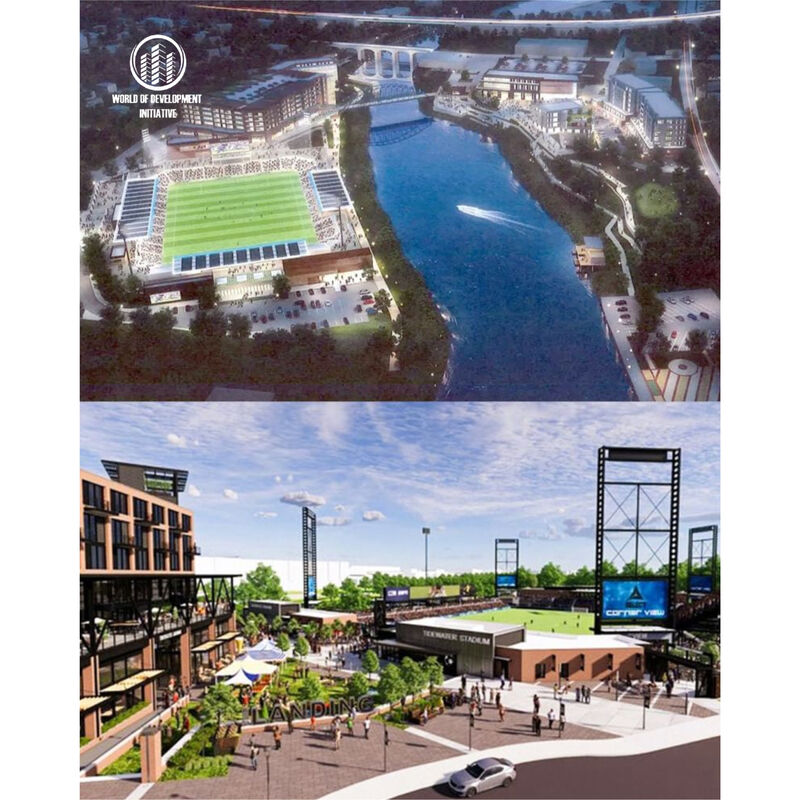
Innovative stadium solutions are imperative for Massachusetts to reclaim its position in the competitive landscape of professional soccer. As the Revolution and Legacy FC look toward new venues, the focus shifts from merely financial investment to creating spaces that resonate with fans’ experiences. New England Revolution’s discussions around the Everett stadium project highlight the importance of a fan-friendly environment. The proposed 25,000-seat venue is expected to create a more electric atmosphere compared to the sprawling, often emptier Gillette Stadium.
In addition to enhancing matchday experiences, these stadiums can generate economic opportunities for surrounding communities through job creation and increased foot traffic. Developing stadiums in urban locations can also spur local business growth and contribute to a more dynamic soccer culture. As successful models from successful teams worldwide indicate, structuring venues that prioritize fan engagement can lead to dynamic growth in attendance and soccer popularity in Massachusetts.
The Impact of NWSL Expansion on Massachusetts Soccer Landscape
The recent expansion of the National Women’s Soccer League (NWSL) in Massachusetts signifies an important milestone for the region’s soccer ecosystem. Boston Legacy FC’s entry not only diversifies the local soccer offering but also provides a platform for female athletes and fans. Engaging a demographic that is often overlooked in sporting narratives can help cement soccer’s status in the state. The construction of a new stadium for Legacy FC can have a profound social impact, encouraging more women and girls to participate in and support the sport.
In addition to encouraging participation, the NWSL’s expansion plays a crucial role in enhancing visibility for women in sports. Legacy FC’s upcoming home games present an opportunity not just for fun but for fostering a new community of supporters. By hosting events such as the “Global Celebration of Soccer”, the Legacy FC is taking steps to deepen community ties while leveraging the excitement from the recent World Cup. This approach not only executes the idea of inclusivity but also contributes to a more robust and diverse soccer culture in Massachusetts.
Recognizing the Challenges of Tailgating and Game Day Experiences
While the excitement surrounding new stadium proposals is palpable, there are challenges related to the traditional game day experience, particularly regarding tailgating. Tailgating represents a cherished aspect of fan culture for many. Concerns raised by fans about the transition from Foxboro—where ample parking and tailgating facilities are available—suggest that moving to an urban environment could alter the game day experience significantly. Logistical challenges must be addressed to ensure that moving to a new venue does not alienate existing fans.
Effectively mitigating these concerns will be key to the success of any new stadium initiative. Stakeholders must work closely with community representatives and fan groups to develop a vibrant matchday experience that includes the much-loved traditions of soccer culture. Engaging with fans early in the planning stages can lead to innovative solutions that respect the past while embracing future opportunities.
Soccer’s Future in Massachusetts: Building Infrastructure for Long-term Growth
The future of soccer in Massachusetts hinges on strategic investments in infrastructure that go beyond just new stadiums. Experts emphasize that robust civic and financial collaboration is necessary to support the growth of soccer as a major sport in the state. This requires a reevaluation of fundraising strategies that currently fail to provide a solid foundation for sustainability. Successful cities have long-standing partnerships driving growth, ensuring that infrastructure is maintained and programs thrive long after major events such as the World Cup.
A comprehensive framework that combines grassroots initiatives with professional-level support is essential. As seen in other major soccer markets globally, integrating recreational spaces with professional venues can foster a soccer culture that is accessible to all. Massachusetts has the potential to transform into a vibrant soccer city if stakeholders commit to creating lasting change through thoughtful investment in community infrastructure.
The Role of Youth Development Programs in Building Soccer Culture
Addressing the youth development system is key to fostering a lasting interest in soccer within Massachusetts. With many areas lacking accessible recreational leagues, organizations like Soccer Without Borders are actively responding by creating programs that prioritize inclusivity and engagement. Investment in youth programs ensures that talent can be nurtured from a young age, building a pipeline of future players and fans who represent the diversity of the region.
As Massachusetts looks to the future, expanding youth access to soccer can influence trends at the professional level. By introducing initiatives that ensure affordability and accessibility, the state can cultivate a love for the game that persists through generations. These foundational programs are critical not only for player development but also for creating a soccer culture that resonates throughout the state.
Frequently Asked Questions
What is the significance of the World Cup for Massachusetts soccer?
The World Cup has been a pivotal event for Massachusetts soccer, creating a unique opportunity to engage a diverse fan base and stimulate local interest in the sport. Events like the World Cup boost attendance and awareness, emphasizing the need for enhanced infrastructure, such as the proposed soccer stadium initiatives, to maintain this momentum and solidify soccer’s place in the region’s sports culture.
How will the Everett stadium project impact the New England Revolution?
The proposed Everett stadium, a 25,000-seat venue, is seen as essential for the New England Revolution to create a more intimate and energetic atmosphere. Moving from the larger Gillette Stadium will help attract a passionate local fan base, crucial for enhancing the matchday experience and sustaining long-term growth in Massachusetts soccer.
What challenges does Boston Legacy FC face in their NWSL expansion efforts?
Boston Legacy FC is navigating significant challenges as they work towards establishing their permanent home at the redeveloped White Stadium in Franklin Park. Legal disputes regarding the privatization of public land, alongside the need for community support and engagement, are critical hurdles they must overcome to succeed in the NWSL expansion and promote women’s soccer in Massachusetts.
What role does the community play in Massachusetts soccer’s growth?
Community involvement is vital for the growth of soccer in Massachusetts. Initiatives like Soccer Without Borders aim to remove financial barriers and enhance youth accessibility to the sport. This inclusive approach is key to building a broader fan base and ensuring the sustainability of both professional and grassroots soccer in the region.
What are the financial implications of soccer initiatives in Massachusetts?
The ongoing stadium initiatives and related developments represent a significant financial investment, estimated around $1 billion. This investment is expected to not only enhance the local soccer infrastructure but also create economic opportunities, attract tourism, and foster community engagement for both the New England Revolution and Boston Legacy FC.
How can Massachusetts soccer leverage the World Cup momentum?
Massachusetts soccer can leverage World Cup momentum by focusing on creating accessible venues, promoting fan engagement, and enhancing youth soccer programs. Building community-focused stadiums, like the Everett project and the Legacy FC’s White Stadium, are critical to retaining the enthusiasm and support generated during the World Cup.
What are the key differences between attending a match at Gillette Stadium versus a new venue for the Revolution?
Attending a match at Gillette Stadium, which seats approximately 66,000, often results in a diluted atmosphere due to the number of empty seats. In contrast, a new venue designed for 25,000 fans would foster a more intimate and energetic environment, enhancing the overall experience for the New England Revolution’s supporters.
What community events are planned to celebrate Massachusetts soccer post-World Cup?
To celebrate Massachusetts soccer and capitalize on the World Cup enthusiasm, Boston Legacy FC is hosting a ‘Global Celebration of Soccer’ at Centreville Bank Stadium. Fans will have the opportunity to watch the World Cup final followed by an NWSL match, promoting engagement and excitement around professional soccer in the region.
What is the future of youth soccer in Massachusetts amidst new developments?
The future of youth soccer in Massachusetts hinges on making the sport more accessible amidst new developments. Programs like Soccer Without Borders aim to alleviate financial barriers, ensuring that all youth can participate in soccer, regardless of their economic background. This effort is essential for nurturing the next generation of soccer talent and fans in the state.
What is the expected timeline for the new soccer stadium projects in Massachusetts?
The new soccer stadium projects in Massachusetts are in varying stages. The Everett stadium is currently undergoing state review, with completion anticipated in the next few years, while the redevelopment of White Stadium for Boston Legacy FC is expected to open in 2027. Both projects are essential for revitalizing Massachusetts soccer.
| Key Points |
|---|
| Massachusetts is investing $1 billion in soccer infrastructure to maintain momentum post-World Cup. |
| The Revolution and Legacy FC are seeking new, more accessible stadiums to enhance fan experience and attendance. |
| World Cup matches in Foxboro were successful, but local attendance for Revolution games has decreased by 16%. |
| A proposed 25,000-seat stadium in Everett aims to create a more energetic atmosphere for local soccer. |
| Boston Legacy FC is also developing a new stadium, with a focus on accessibility for soccer fans. |
| Youth soccer faces challenges due to high costs; initiatives are needed to ensure inclusivity. |
| Collaboration between civic, state, and private sectors is crucial for the long-term growth of soccer culture. |
Summary
Massachusetts soccer is at a crucial juncture as the state embarks on a high-stakes $1 billion initiative to cultivate a robust soccer culture in the aftermath of the World Cup. With both the New England Revolution and Boston Legacy FC advocating for new stadiums that are more accessible, there’s a shared vision to enhance the fan experience and revitalize attendance. The proposed projects highlight the importance of creating energetic spaces that resonate with fans and build community support. As local soccer teams aim to capitalize on the global attention of the World Cup, addressing factors like youth accessibility and fostering collaboration among stakeholders will be vital to securing the future of Massachusetts soccer.