Homelessness During World Cup: Where Did the People Go?
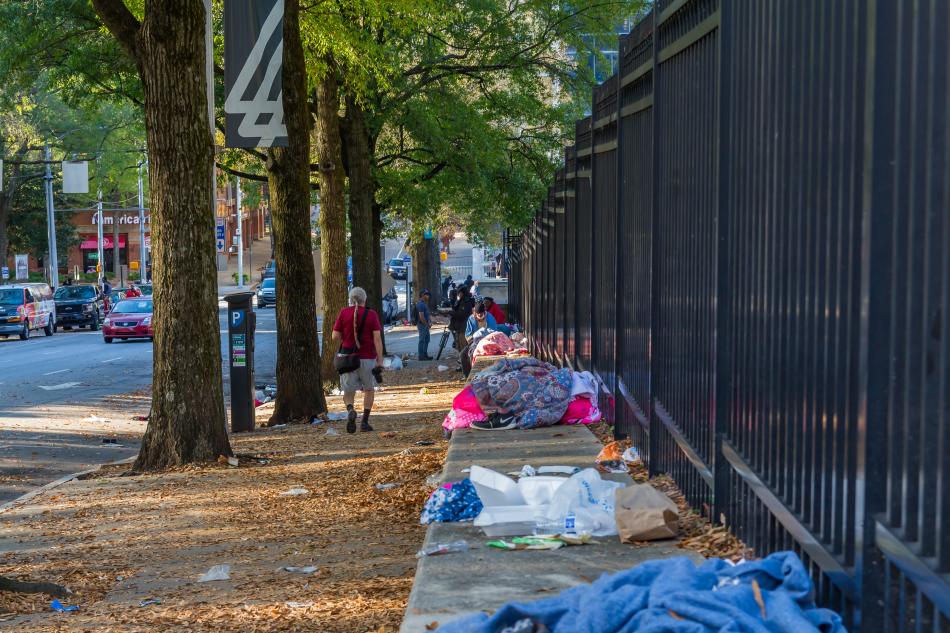
Homelessness during the World Cup has thrust the plight of the unhoused community in Atlanta into the spotlight, as the city’s focus shifts to hosting a global sporting event. The FIFA event has exacerbated existing social issues, leading to the clearance of homeless encampments in areas surrounding downtown. Critics argue that this creates a sanitized image for tourists while ignoring the reality faced by many citizens. Atlanta’s attempts to manage its unhoused population during the World Cup underscore the uncomfortable intersection of sports and social justice. As the world tunes in to watch the matches, the stories of those displaced are often lost in the celebration of the event, raising questions about the true impact of such festivities on those marginalized in society.
The challenge of housing instability during major sporting events, such as the World Cup, reveals a broader narrative about the treatment of vulnerable populations. The phenomenon of urban displacement in Atlanta highlights the impact of the FIFA event on the local unhoused community, often shrouded in silence amid the fanfare. As discussions around sports draw attention to social issues, it becomes imperative to scrutinize how these celebrations affect those living on the fringes. The reactions from the unhoused individuals reflect a deep frustration over being overlooked and dehumanized in a city that prioritizes spectacle over compassion. Such dynamics expose a crucial conversation about societal values, particularly in times of global gatherings.
The Dark Side of the World Cup: Homelessness in Atlanta
As the World Cup rolls into cities worldwide, it often promises unity and celebration. However, for Atlanta’s unhoused community, the reality is quite the opposite. The massive international event has led to extensive clean-up campaigns aimed at beautifying the city for tourists. Unfortunately, this has resulted in the forced removal of homeless encampments, leaving many individuals feeling invisible and marginalized. Those living on the streets, who are already battling numerous hardships, now find themselves further ostracized, as city officials prioritize aesthetics over humanity.
Atlanta’s homelessness crisis can be traced back to various social issues exacerbated by high-profile events like the World Cup. The city implemented a strategy dubbed ‘Downtown Rising,’ which explicitly aims to push the homeless population out of public view, effectively criminalizing their existence. Homeless individuals report being relocated to remote areas, raising questions about their well-being and the ethics behind such policies. The displacement of unhoused populations underscores a disturbing trend: the prioritization of tourism and economic gain over the welfare of society’s most vulnerable.
The Impact of FIFA Events on Local Homelessness
The intersection of sports events and social issues is not new, yet each occurrence illuminates the systemic neglect faced by the homeless community. During high-stakes tournaments like the World Cup, cities often feel compelled to sanitize their images, leading to brutal clearances that further marginalize individuals without homes. In Atlanta, this has manifested tragically, as evidenced by the heart-wrenching story of Cornelius Taylor, who lost his life during a clearance operation. This highlights how poor policies and the drive for a polished public appearance can amplify the existing crisis of homelessness.
Moreover, the World Cup impact on the homeless transcends immediate displacement; it also stirs public sentiment regarding the unhoused community’s plight. As they are pushed to the fringes, their stories often go unheard, absorbed by the larger narratives of sports and celebration. The contrast between the glitz of the tournament and the stark reality of those left behind raises significant ethical questions about the responsibilities of city leaders and event organizers. How do we reconcile the joy of sports with the lurking social injustices that persist in the shadows?
Voices from the Unhoused Community
As residents of Atlanta grapple with the chaos brought about by the World Cup, many homeless individuals express feelings of anger and abandonment. Their testimonies reveal a profound disconnect between the city’s goals and the realities of their lives. Individuals like Sirius articulate a deep sense of frustration, noting that the focus is on creating a spectacle for tourists rather than addressing systemic issues that lead to their hardships. Statements like these challenge us to rethink whom we celebrate during global events and whose voices are silenced in the process.
Furthermore, the reactions from the unhoused community shed light on their struggles and aspirations. Many acknowledge the allure of the World Cup yet bemoan their exclusion from the festivities. This sentiment highlights a fundamental injustice wherein large-scale events that should unify people are instead used to marginalize certain groups. These narratives amplify the call for inclusivity and understanding, emphasizing that true community involves integrating all voices, particularly those that have been historically sidelined.
Social Justice and the Role of Sports
The juxtaposition of sports and social justice issues is profoundly poignant during events like the World Cup. While FIFA promotes football as a global unifier, the actions taken against the homeless during the tournament dispel this myth. Local governments implement strategies that cater to the aesthetics of the event, often neglecting the rights and agency of vulnerable communities. This showcases a chilling reality where the pursuit of a successful sports event can lead to attempts at erasing social problems.
Advocates for the homeless urge us to consider the implications of hosting such grand events in cities already struggling with poverty and homelessness. They argue that instead of eradicating the visible signs of social issues, city officials should work towards addressing the root causes of these problems. There’s an urgent need for reforms that prioritize social equity, where the benefits brought by large-scale events extend to all citizens, rather than perpetuating cycles of exclusion.
Historical Context of Homelessness at Major Events
The phenomenon of increased homelessness during major sporting events is not unique to Atlanta but echoes through history. Instances from past Olympics, such as the 1996 Atlanta Games, reveal a disturbing pattern where cities take drastic measures to ‘clean up’ before international attention. These historical precedents suggest a troubling connection between large-scale sports events and heightened enforcement against homeless populations, resulting in a cycle of invisibility for those who are unhoused.
Looking back, it’s clear that the issue of homelessness during significant events often becomes a topic of public discourse, but seldom results in meaningful change. While cities may invest time into temporary solutions, like providing housing during big tournaments, these measures often fall short of solving the underlying issues. The challenge remains: how can cities learn from the past and develop sustainable solutions that protect and empower the homeless community during major sporting events?
Unpacking the Concept of Sportswashing
Sportswashing refers to the practice of using major sporting events to distract from or mitigate human rights abuses and social injustices. In the context of the World Cup, this concept becomes problematic, as cities engage in efforts to appear welcoming and progressive while simultaneously displacing vulnerable populations. The phenomenon invites scrutiny over the ethical dimensions of such events — are they truly celebrating global unity, or merely concealing the harsh realities faced by many?
In Atlanta, the tension between the vibrancy of the World Cup and the harsh conditions of the unhoused community exemplifies sportswashing in action. By prioritizing tourists and aesthetic perfection, the city undermines its commitment to social justice and the dignity of its residents. This disconnect raises critical questions about responsibility — both from event organizers like FIFA and city planners tasked with ensuring that all community members are treated with respect and consideration.
Calls for Change and Community Action
The conversations surrounding homelessness during World Cup events are sparking a call for change within communities. Advocacy groups are pushing for policies that prioritize the needs and rights of both current residents and the homeless population. They argue that genuine progress can only be achieved through inclusive practices that empower marginalized voices and ensure equitable resource distribution. It is not enough to simply remove the homeless from sight; there must be comprehensive strategies to address housing and support services.
Community action plays a vital role in transforming the ongoing narratives surrounding homelessness. Grassroots organizations are stepping up to provide direct assistance, advocating for better services and housing options for the unhoused. Their efforts highlight the resilience and fighting spirit of those affected by these social issues, emphasizing that collaboration and community engagement are essential in effecting real change. As the World Cup concludes, the focus must shift to sustainable solutions that prioritize humanity over visual aesthetics.
Reframing the Narrative: From Marginalization to Empowerment
Revisiting the narratives associated with homelessness in the context of major sports events is crucial for fostering understanding and empathy. The stories of those affected by displacement during the World Cup challenge us to move from a place of marginalization to one of empowerment. By recognizing the inherent humanity of every individual, cities can begin to reformulate their policies in a way that addresses the needs of the unhoused community without resorting to exclusionary tactics.
Furthermore, reframing the narrative involves elevating the voices of the unhoused, allowing them to share their experiences and perspectives. By providing platforms for storytelling and advocacy, cities can create greater awareness and foster connections between disparate community members. As Atlanta navigates the aftermath of the World Cup, it offers an opportunity for all stakeholders to collectively seek solutions that uplift the most vulnerable rather than cast them aside.
Future Directions for Combating Homelessness
Looking ahead, it’s imperative that cities like Atlanta take proactive measures to combat homelessness as they prepare for future events. Initiatives should focus on creating sustainable housing solutions, expanding mental health and addiction services, and fostering inclusive community development. As society becomes increasingly conscious of social issues tied to large-scale sporting events, there’s potential for transformative change that can truly address the root causes of homelessness.
Collaboration between local governments, nonprofits, and community stakeholders is key to developing holistic strategies that serve the needs of vulnerable populations. Engaging the unhoused community in open dialogues about their needs and rights will foster a sense of agency and partnership. The goal should be clear: let the legacy of sporting events not be one of exclusion and displacement but rather a catalyst for meaningful change and community upliftment.
Frequently Asked Questions
How is homelessness during the World Cup impacting the unhoused community in Atlanta?
Homelessness during the World Cup has significantly impacted the unhoused community in Atlanta. City officials have implemented measures to clear homeless encampments as part of a broader effort to present a favorable image to tourists. This has led to the forced removal of many individuals from areas around the World Cup venues, stripping them of their belongings and exacerbating their already precarious situation. The treatment of homeless individuals during this FIFA event raises serious social issues, highlighting the intersection between major sporting events and local humanitarian concerns.
| Key Points | Details |
|---|---|
| Targeting of Homeless Communities | Homeless encampments in Atlanta have been forcefully cleared as part of a plan to beautify the city for the World Cup. |
| City Officials’ Justification | Atlanta Mayor Andre Dickens expressed the intention to keep unsheltered individuals away from downtown and the focal points of the tournament. |
| Large Event Impact on Homelessness | Past events like the Olympics have seen similar treatments of homeless populations, often clearing them from view during major gatherings. |
| Public Perception and Social Issues | The perception of homeless individuals as ‘eyesores’ reflects broader social issues related to poverty and homelessness in America. |
| Calls for Systemic Change | Activists and the unhoused community argue for better treatment and inclusion of homeless voices in decisions that affect their lives. |
Summary
Homelessness during the World Cup has highlighted how deeply social injustices are woven into major sporting events in America. While FIFA promotes football as a unifying force, the harsh reality for homeless individuals in host cities like Atlanta reveals a different narrative. Many of these individuals have faced forceful eviction from their camps as part of city plans to present a polished image during the tournament. The public is often shielded from the struggles and realities that this vulnerable population faces, creating a stark contrast to the celebratory atmosphere of the World Cup. This situation begs the question of where these individuals have been relocated and whether their needs are being adequately met. It’s a poignant reminder of how entertainment and economic interests can overshadow the fundamental human dignity of the most marginalized communities.