Fifa Investigation: What Keir Starmer Thinks of Argentina’s Falklands Banner
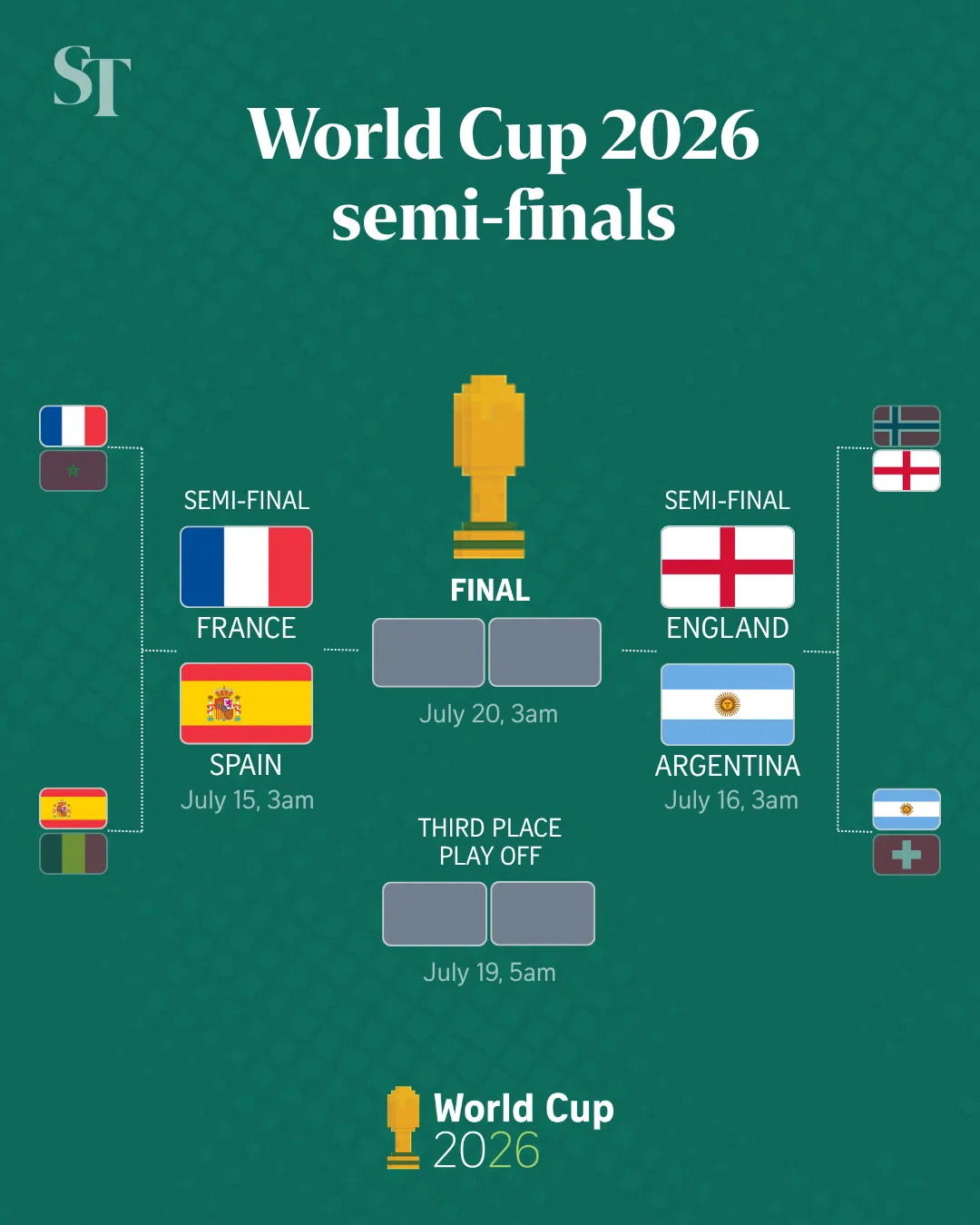
The recent call for a FIFA investigation into Argentina players highlights the intersection of football and political sentiments, particularly regarding the contentious claim over the Falkland Islands. Following their World Cup semi-final victory against England, several Argentine players publicly displayed a banner proclaiming “Las Malvinas son Argentinas,” reigniting debates about the islands’ sovereignty. UK Labour leader Keir Starmer has backed the push for FIFA to examine whether the players violated international football regulations by engaging in political discourse during a sporting event. With the World Cup final against Spain on the horizon, the tension between football politics and the beautiful game takes center stage, showcasing how deeply intertwined these realms can be. As the FIFA disciplinary committee reviews the match reports, the results of this investigation could set a precedent for how political expressions are handled in future football competitions.
The FIFA scrutiny regarding the actions of the Argentine national team taps into the broader narrative of sports as a platform for political statements, a phenomenon that has become increasingly visible in high-stakes competitions like the World Cup. This investigation not only pertains to the specific instance of the Falklands banner but also addresses the general principle of maintaining a division between sports and politics. With figures like Keir Starmer advocating for an examination of potential rule breaches, the focus on football’s role in political discourse is more pertinent than ever. As we approach the final showdown against Spain, the implications of the Argentina players’ display may cast a long shadow over the tournament, reminding us all that the world of sports is often a mirror reflecting the complexities of international relations. This ongoing saga underscores the need for governing bodies, such as FIFA, to grapple with the evolving landscape of football politics.
Fifa Investigation into Political Displays in Football
In a significant development following Argentina’s World Cup semi-final triumph over England, Keir Starmer has openly called for a Fifa investigation into the actions of Argentina players, who displayed a controversial banner asserting the country’s claim over the Falkland Islands. This incident has reignited debates around the intersection of football and politics, highlighting the responsibilities of governing bodies like Fifa to enforce rules that typically prohibit political statements during sporting events. As the world’s attention turns to the final, the implications of such displays can overshadow the athletic achievement, prompting an urgent need for clarity from Fifa regarding their disciplinary protocols concerning political messaging in football.
Fifa’s response will be closely monitored, as it involves navigating sensitive international relations and historical tensions relating to the Falklands. The organization must balance the integrity of the sport with the political sensitivities reflected in the actions of players. With Starmer emphasizing the need to maintain a clear boundary between politics and football, the call for a thorough investigation aligns with a growing expectation for sports entities to take a definitive stance against political expressions that can provoke nationalistic sentiments and conflict, especially in high-stakes tournaments like the World Cup.
Keir Starmer’s Stance on Football Politics
Keir Starmer’s firm stance reflects a broader understanding of the complexities involved in football politics, particularly concerning issues like the Falkland Islands. By supporting calls for a Fifa investigation, Starmer underscores the necessity for accountability in a sport that commands passionate national loyalties. His spokesperson’s remarks affirm the UK’s unwavering support for the islanders’ right to self-determination, emphasizing that while the World Cup celebrates football excellence, it must not become a platform for political disputes. This perspective resonates with many fans who believe sport should unite rather than divide.
Starmer’s position not only exhibits political savvy but also resonates with the sentiments of the Falkland Islands’ inhabitants, who were adversely affected by the historical conflict. The controversy surrounding the banner serves to remind all parties involved that football, while a source of joy and camaraderie, is also deeply enmeshed in the fabric of national identity and historical narratives. As discussions around football politics continue to evolve, Starmer’s proactive approach highlights the critical role that leaders play in shaping the discourse surrounding sportsmanship and international relations.
The Impact of the Falklands Banner on World Cup Spectators
The display of the Falklands banner during the World Cup semi-final not only caught the attention of the players and pundits but also had significant ramifications for spectators worldwide. For many, this incident became a focal point that highlighted the ongoing tensions between Argentina and the UK, reawakening memories of the 1982 conflict. Such political gestures in major global events raise ethical questions about the appropriateness of using sports platforms to express nationalistic sentiments, particularly in a setting meant to celebrate unity and competition among nations.
As audiences from diverse backgrounds engage with the World Cup, the juxtaposition of sporting achievement with historical grievances complicates the narrative surrounding the tournament. Many fans expect football to transcend political barriers, providing a space for joy and celebration rather than conflict. The implications of the Argentina players’ actions prompt ongoing discussions about how sports can effectively navigate the fine line between national pride and political controversy, which is crucial as the World Cup continues to attract worldwide viewership.
Fifa’s Disciplinary Code and Historical Context
Fifa’s disciplinary code serves as the foundation for addressing cases involving potential violations related to political activity in football. Historically, Fifa has faced scrutiny regarding its enforcement of rules that prohibit displays of political messages, making the investigation into the Falklands banner particularly significant. The organizational protocols are designed to maintain the integrity of the sport, yet past incidents illustrate the challenges Fifa faces in balancing free expression with the need for decorum in competitive environments. Consequently, the decision regarding the Argentina players could set a precedent for future actions involving similar situations.
Notably, the context surrounding the Falkland Islands adds layers of complexity to how Fifa might proceed. The historical backdrop of the 1982 war between Argentina and the UK heightens the sensitivities involved, making any official response not only a matter of sportsmanship but also of international diplomacy. As Fifa contemplates its next steps, the significance of its ruling on this matter will resonate beyond football, potentially affecting diplomatic relations and influencing how sports are governed in relation to political issues.
Public Reaction to Argentina’s Political Display During the World Cup
Public sentiment following the football match and the display of the banner by Argentina players has been mixed, reflecting the deep-rooted emotions associated with the Falklands issue. Many in the UK found the political display disrespectful to the spirit of the tournament, which is typically viewed as a celebration of sport and mutual respect among competing nations. Conversely, supporters of the Argentine team argue that the banner is a legitimate expression of national pride and identity, especially in the context of longstanding territorial disputes. This divergence in opinion reveals a complex layer of football politics that transcends the pitch and speaks to national narratives and historical grievances.
The broader discourse surrounding this event speaks to a pivotal aspect of modern sports where athletes and nations are increasingly vocal about their political stances. The reaction to the banner emphasizes the need for sporting bodies like Fifa to navigate these waters carefully. As engagements with international sports continue to evolve, events like the World Cup must grapple with the reality that historical contexts and national pride can intertwine, sometimes leading to contentious moments that warrant critical reflection from all stakeholders involved.
International Diplomacy and Football
Football has long been recognized as a powerful tool for diplomacy, capable of bridging divides and fostering international relations. However, the recent incident involving Argentina’s display of a Falklands banner during the World Cup semi-final underscores the intricate balance between sports and geopolitics. As nations utilize the global stage of football to assert their identities, the potential for diplomatic tensions becomes more pronounced. Ethically, football organizations like Fifa are tasked with ensuring that matches promote goodwill rather than conflict, which requires an adept understanding of the political significance of actions taken by players on the global stage.
The implications of using football as a diplomatic platform are profound, as it can either exacerbate existing tensions or enhance mutual understanding and cooperation. The call for a Fifa investigation reflects a broader recognition of football’s role in shaping international narratives and the importance of maintaining a politically neutral environment. In the age of globalization, it is vital for sports organizations to establish frameworks that respect national sentiments while also fostering international camaraderie, highlighting the dual roles that football can play in both uniting and dividing nations.
The Role of Historical Grievances in Sports
Historical grievances often find their way into the realm of sports, creating a backdrop that can either enrich or complicate the viewing experience for fans. The Falklands conflict serves as a poignant example of how past traumas can resurface during significant events like the World Cup, prompting reactions rooted in centuries of conflict, national pride, and cultural identity. The banner displayed by Argentina players underscores the ongoing relevance of these grievances, which resonates deeply with both Argentine and British spectators, adding layers of complexity to a sporting event that is meant to unite.
Understanding the role of these grievances in the context of sports allows commentators and fans alike to appreciate the historical narratives at play. As players and nations express their identities through such displays, it becomes essential to recognize that national pride may sometimes bleed into political statements, challenging the premise of sports as a pure, apolitical domain. This realization calls for a more nuanced discussion around the implications of historical legacies in contemporary sports, emphasizing the need for sensitive approaches that respect both the sport and the people involved.
Future Implications for Fifa’s Conduct and Governance
The fallout from the controversial display of the Falklands banner during a major tournament could lead to significant implications for Fifa, particularly regarding its conduct and governance in the future. As the call for an investigation highlights, there is mounting scrutiny on how Fifa navigates the politically charged environment of international football. A robust response to this incident may set a precedent for how political expressions in sports will be handled moving forward, influencing both players’ actions and Fifa’s enforcement of its disciplinary framework.
As Fifa examines its protocols, the need for clear guidelines surrounding political displays in football becomes increasingly apparent. This scrutiny may lead to stricter regulations that seek to preemptively address any future incidents of this nature, potentially reshaping the approach to governance in the world of football. Given the evolving nature of global politics, the ability of sporting bodies to adapt to these challenges will play a crucial role in maintaining the integrity of competitions and ensuring that sports remains a field of play rather than a battleground for political disputes.
Community Responses to Political Statements in Football
Community responses to political statements made within the realm of sport can vary greatly, reflecting the diverse opinions held by fans and players alike. The recent banner incident during the World Cup has prompted strong reactions from supporters of both England and Argentina, as well as the Falkland Islands community. Discussions in local and national media reveal a split audience, with some decrying the politicization of sport and others defending the players’ right to express national identity. This divide highlights how deeply personal and communal historical grievances can shape individual perspectives on sporting events.
Community discourse around such incidents often emphasizes the importance of understanding the cultural and national implications of political expressions in football. As fans engage in discussions about the appropriateness of the Argentina players’ actions, there lies an opportunity for education and dialogue surrounding the intersection of football and geopolitics. These conversations can foster greater understanding among diverse communities, allowing for a more inclusive appreciation of how history and identity inform the ever-evolving narrative of global sports.
Frequently Asked Questions
What actions are being called for regarding the FIFA investigation into Argentina players who displayed a Falklands banner?
Keir Starmer, the UK’s opposition leader, has called for a FIFA investigation into Argentina players who displayed a banner asserting sovereignty over the Falkland Islands following their World Cup semi-final match against England. This action is seen as a violation of FIFA’s rules that prohibit political content in football, as football should remain separate from political matters.
| Key Point | Details |
|---|---|
| Keir Starmer’s Call | Keir Starmer urges Fifa to investigate Argentina players for displaying the Falklands banner. |
| Banner Displayed | Following Argentina’s World Cup semi-final win against England, players raised a banner reading ‘Las Malvinas son Argentinas.’ |
| Government Response | The UK government maintains that the Falkland Islands belong to the UK and that self-determination belongs to islanders. |
| Prime Minister’s Message | The PM wishes both Argentina and Spain well for the upcoming final, but supports Spain. |
| Fifa’s Review | Fifa’s independent disciplinary committee is reviewing match reports related to the incident. |
| Historical Context | The banner has stirred tensions because of the historical conflict over the Falklands between Argentina and the UK. |
Summary
The Fifa investigation into the banner displayed by Argentina players during the recent World Cup semi-final highlights the intersection of sports and politics. Following their victory, players raised a banner claiming the Falkland Islands as Argentinian territory, prompting UK officials to call for an inquiry into potential breaches of Fifa’s political neutrality regulations. This incident underscores the ongoing tensions surrounding the historical claim over the islands and poses significant questions about the appropriateness of political expressions in football. The outcome of the Fifa investigation could have far-reaching implications for future tournaments, as football authorities grapple with maintaining the integrity of the sport while navigating complex geopolitical issues.