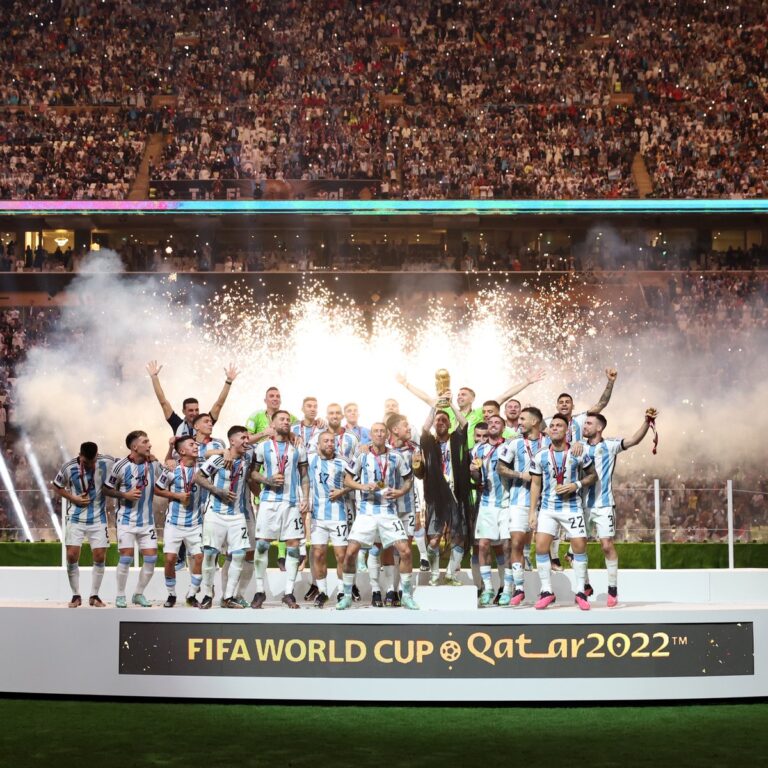
World Cup 2026: Controversies and Criticisms After Argentina’s Victory
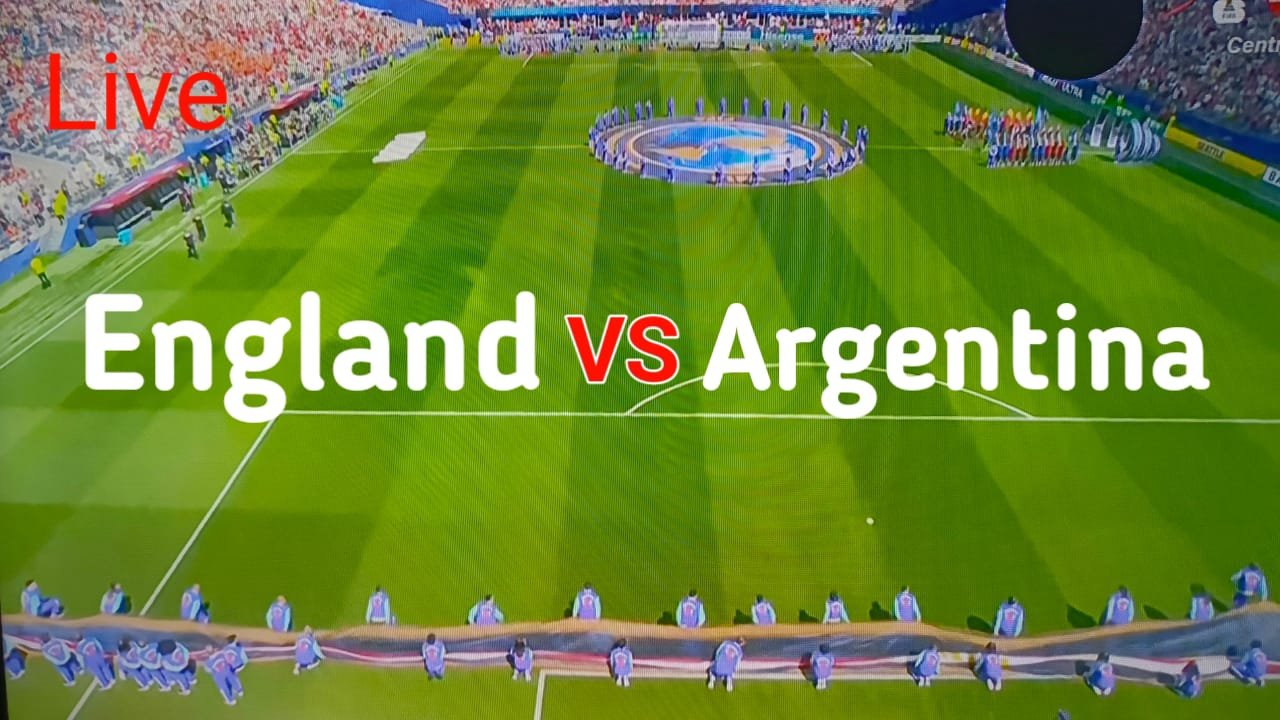
The excitement surrounding the World Cup 2026 is intensifying, especially following England’s dramatic semi-final loss to Argentina, which has sparked a whirlwind of controversy. As tensions rise, calls for a FIFA investigation into the Argentina team’s use of a Falklands banner during the match have been supported by the UK government after their 2-1 defeat in Atlanta. The semi-final attracted a staggering 24 million viewers on the BBC, making it a pivotal moment in England World Cup viewing figures. Meanwhile, coach Thomas Tuchel faces fierce criticism regarding his tactics, with many questioning his decisions in the high-stakes match. As anticipation builds for the upcoming final against Spain, the focus on FIFA’s regulatory stance and global viewing dynamics adds another layer to this thrilling tournament.
As we look ahead to the much-anticipated tournament set to unfold in 2026, the excitement is palpable as football fans worldwide prepare for an extraordinary event. The recent intense match between England and Argentina has not only highlighted England’s challenges but also invited scrutiny over Argentina’s controversial actions during the game, especially concerning the Falklands banner incident. Additionally, the surge in viewers watching the semi-final underscores the significant interest in international football, particularly among British audiences. Questions surrounding manager Thomas Tuchel’s strategies are emerging as vital discussions, reflecting the broader narrative of coaching tactics in high-pressure situations. With the final against Spain on the horizon, the ramifications of these events will undoubtedly shape the discourse around World Cup 2026.
FIFA Investigation of Argentina Over Falklands Banner Controversy
The recent controversy surrounding Argentina’s players waving a banner claiming the Falkland Islands during the World Cup has sparked calls for an official FIFA investigation. Downing Street has joined the dialogue, supporting the idea that the actions of the defending champions should be scrutinized under FIFA’s tournament rules prohibiting political messages. This comes after widespread backlash, particularly from British officials, who labeled the act an egregious violation of the integrity expected of national teams during the prestigious tournament.
Such incidents raise critical questions about the intersection of sport and politics on the world stage, especially during a global event like the World Cup. The FIFA regulations explicitly prohibit any displays that may incite political disputes, making this situation particularly sensitive. As supporters and critics alike call for potential penalties against the players involved, the ramifications of such an investigation could set a significant precedent for future tournaments.
England’s World Cup Viewing Figures Soar Amidst Semi-Final Drama
England’s heartbreaking semi-final defeat to Argentina became a noteworthy event in sporting history, drawing a staggering peak audience of 24 million viewers on the BBC. The impressive viewing figures highlight the nation’s relentless passion for football, especially during high-stakes matches in the World Cup. As fans tuned in, the match not only captured attention due to its competitive nature but also due to the economic and cultural impact of football on British society.
This remarkable viewership further emphasizes how significant football events can unify a country, even through moments of disappointment. As England prepared for the match, analysts had anticipated high ratings; however, the sheer number of people watching underscores football’s enduring popularity. With England’s continuous pursuit of World Cup glory, these figures could be seen as both a testament to the team’s loyalty and the public’s unwavering support despite the defeat.
Tuchel’s Tactical Decisions Under Fire After Semi-Final Loss
In the aftermath of England’s semi-final loss to Argentina, manager Thomas Tuchel has faced scrutiny over his tactical decisions. Fans and analysts were quick to point out questionable substitutions that may have contributed to the team’s inability to maintain their lead. Tuchel acknowledged the criticism, stating that while he has no regrets about his strategies, he recognizes that mistakes were made. This moment of introspection from the coach reflects the intense pressure that comes with leading a national team in the World Cup.
Criticism of Tuchel’s tactics highlights the fine line between bold decision-making and miscalculated risks in high-pressure situations. As England exits the tournament, the evaluation of tactical integrity takes on an even greater importance as the nation reflects on its performance. Fans and critics will undoubtedly be eager to see how Tuchel adapts his approach moving forward, especially with future international competitions on the horizon.
Argentina vs England: A Historical Rivalry Intensified
The recent semi-final clash between Argentina and England revived one of football’s most storied rivalries. This matchup not only brought back the memories of the infamous Diego Maradona ‘Hand of God’ goal but also underscored the ongoing competitive tension between the two nations. The drama unfolds on a global scale, and every encounter in a World Cup context evokes strong emotions for both sets of fans, making it more than just a game but a historical showdown filled with passion and national pride.
As Argentina emerged victorious with a 2-1 lead, the victory further fueled the narrative of their dominance in this rivalry. The public and media alike will analyze this match closely, as it may have lasting effects on future competitions. With upcoming tournaments and possible rematches in the pipeline, the footballing world is sure to keep a close eye on how these historical rivalries play out in the grand narrative of the sport.
The Road Ahead for Argentina in the World Cup Final
With their semi-final victory over England, Argentina has secured a place in the World Cup final, where they will face Spain. The defending champions are now on the brink of potentially adding another title to their illustrious history, which could solidify their status as a dominant force in international football. Fans and analysts alike are buzzing with anticipation, as Argentina has demonstrated formidable skill and resilience throughout the tournament.
As they prepare for the final, the Argentine squad will be keen to build on their recent successes while addressing any potential weaknesses exposed during the semi-finals. The tactical acumen of their coach, coupled with the talent of star players, will be pivotal in determining the outcome. The stakes are high, and as the date of the final approaches, the excitement surrounding Argentina’s quest for glory intensifies exponentially.
The Cultural Significance of the World Cup in English Society
The World Cup holds a special place in English society, where football is woven into the cultural fabric of the nation. Major events like the semi-final between Argentina and England serve as unifying moments that bring people together, transcending everyday routine for a shared passion. Football serves not only as entertainment but as a source of national pride, with millions investing emotionally in the fortunes of their national team during tournaments.
In a country that bears a historical love for the sport, the World Cup becomes a moment of celebration and, at times, a platform for social discourse. As fans rally around their teams, these events inspire a sense of community and identity, rooting for not merely a win but for the narrative encapsulated within football. The ups and downs experienced during the World Cup, highlighted by England’s journey, become a collective experience that resonates beyond the pitch.
Reactions to England’s World Cup Performance: Fans and Analysts Weigh In
In the wake of England’s loss to Argentina, reactions from fans and analysts have poured in, ranging from disappointment to constructive criticism. Social media platforms were abuzz with commentary, as supporters expressed their feelings about the team’s performance, Tuchel’s tactics, and the controversial moments that defined the match. This interaction represents the broader football culture, where passion fuels vigorous debate about strategies and performances at such high-stakes events.
Analysts are dissecting the match in detail, evaluating how certain decisions and moments ultimately influenced the outcome. This collective analysis often sets the tone for future matches, shaping how teams approach similar scenarios. As England moves forward from this defeat, the insights from both fans and experts play a crucial role in preparing for future competitions, ensuring that every experience contributes to greater learning and tactical evolution.
Looking Ahead: The Future of Football After the 2026 World Cup
As the World Cup 2026 approaches, discussions about the future of football intensify. Nations are already strategizing and preparing their teams for the challenges that lie ahead, learning from the recent tournament outcomes. With advanced training, scouting, and tactical innovations, countries are eager to position themselves as formidable contenders in future competitions, and England is no exception.
This upcoming World Cup will not only showcase emerging talents but will also reflect the evolving landscape of global football, where political, social, and economic factors intertwine with the beautiful game. The impact of recent controversies, such as the Falklands banner incident, may also shape how teams and fans navigate the sportsmanship and cultural conversations that define international football. As anticipation builds for 2026, the excitement surrounding the evolution of football continues to capture the world’s imagination.
Frequently Asked Questions
What sparked the FIFA investigation into Argentina during World Cup 2026?
The FIFA investigation into Argentina was sparked by players waving a banner in support of Argentina’s claim to the Falkland Islands during the World Cup 2026 matches. Downing Street has called for a thorough examination of this incident since it potentially violates Article 34.3 of the tournament’s rules, which prohibit political messages.
How did the Falklands banner controversy affect Argentina’s World Cup 2026 campaign?
The Falklands banner controversy has put Argentina in the spotlight during their World Cup 2026 campaign, attracting attention from both FIFA and UK government officials. While it raised questions regarding sporting conduct, the incident has not deterred their on-field performance, as they progressed to the final after defeating England.
What were the England vs Argentina semi-final viewing figures during World Cup 2026?
The semi-final match between England and Argentina during World Cup 2026 attracted a peak audience of 24 million viewers on BBC, highlighting the match as one of the most-watched events of the year, especially after England’s narrow 2-1 defeat.
What criticisms did Thomas Tuchel face after England’s loss to Argentina in World Cup 2026?
After England’s 2-1 loss to Argentina in the semi-finals of World Cup 2026, manager Thomas Tuchel faced criticism for his tactical decisions and substitutions during the match. He admitted that the strategy was flawed and acknowledged the need to maintain control better in the second half.
What is the significance of Argentina vs England in World Cup 2026 history?
The Argentina vs England match in World Cup 2026 was significant as it marked yet another chapter in their storied rivalry, particularly after England’s previous defeats in major tournaments. The match drew significant attention not only for its competitive nature but also due to off-field controversies like the Falklands banner incident.
| Key Point | Details |
|---|---|
| Fifa Investigation Call | UK government supports investigation of Argentina players’ political banner related to the Falklands. |
| Match Highlights | England lost 2-1 to Argentina in the semi-final, with a peak viewership of 24 million on BBC. |
| Manager’s Accountability | Tuchel admits to making flawed tactical decisions during the match, which led to the defeat. |
| Upcoming Final | Argentina will face Spain in the World Cup final, generating significant anticipation. |
Summary
The World Cup 2026 has brought intense drama, with the UK government supporting calls for Fifa to investigate Argentina following controversial actions relating to the Falklands. Following England’s heart-wrenching 2-1 semi-final defeat to Argentina, where over 24 million viewers tuned in, attention now shifts to the managerial decisions taken by Thomas Tuchel. His acknowledgment of tactical errors only adds to ongoing scrutiny as Argentina prepares to face Spain in the eagerly anticipated final. As the tournament progresses, debates surrounding fairness and strategy underscore the high stakes of international football.