Egypt World Cup Officials Removal: What Sparked Controversy?
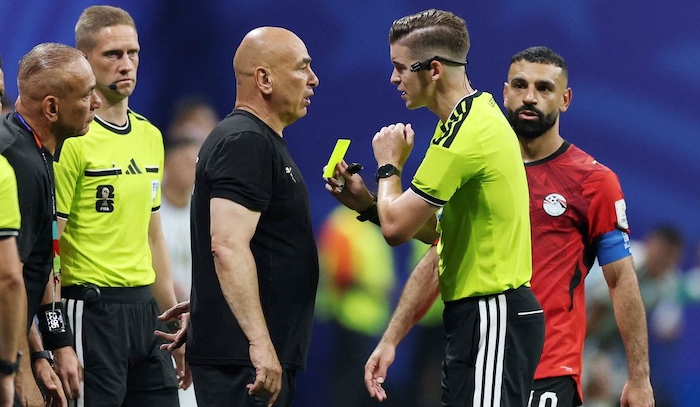
In a dramatic turn of events, the Egyptian Football Association (EFA) has advocated for the removal of officials involved in Egypt’s World Cup elimination match against Argentina. Following a contentious match filled with referee mistakes, the EFA has lodged a formal complaint to FIFA, highlighting the troubling officiating standards that led to irregularities during the game. Central to the controversy was a Video Assistant Referee (VAR) decision that disallowed a crucial goal by Mostafa Zico, stemming from an earlier foul deemed questionable. As the Egyptian team held a 1-0 lead, they felt further aggrieved when a potential foul on Mohamed Salah went unpunished just before Argentina’s dramatic last-minute winner. The situation has ignited discussions within the football community about VAR controversy in Egypt and raised concerns over the integrity of officiating at the World Cup.
In the wake of their recent World Cup debacle, Egyptian football officials are calling for action against those responsible for what they describe as gross officiating errors. The EFA’s call for a probe into the World Cup referees touches on broader issues surrounding football officiating standards and player treatment on an international stage. During a match that saw Egypt outplayed by Argentina after an officiating scandal, issues such as referee bias and contentious VAR interventions have surfaced. Accusations of unfair treatment surrounding the officiating crew have prompted the EFA to seek accountability from FIFA, prompting discussions around the reliability of referees in the global tournament. As sentiments after the match echoed disbelief at the officiating decisions, the pressure mounts on FIFA to address complaints from affected nations, especially regarding their treatment on the world stage.
Egypt World Cup Officials Removal: A Call for Accountability
The Egyptian Football Association (EFA) is taking bold steps in the aftermath of their controversial exit from the World Cup, as they officially requested Fifa to remove the officials involved in their match against Argentina. This request underscores the broader dissatisfaction with the quality of officiating at the tournament, raising questions about fairness and consistency. The EFA’s complaint centers on what they perceive as ‘double standards’ in referee decisions, especially regarding the crucial VAR call that disallowed a legitimate goal by Mostafa Zico, which they argue directly impacted the match’s outcome.
The EFA’s actions not only reflect their frustration but also a growing concern over the football officiating standards at the World Cup. The complaint cites specific referee mistakes that they believe have led to discrimination against the Egyptian team. This move calls for a thorough investigation into the actions of the officiating team and the Video Assistant Referee (VAR) officials, particularly in light of the apparent failure to review critical footage that may have altered the match’s trajectory.
EFA Complaint to FIFA: Investigating the VAR Controversy
In their formal complaint to FIFA, the EFA has highlighted significant issues regarding the VAR decisions that marred their match with Argentina. Notably, the disallowed goal came at a pivotal moment when Egypt held a narrow lead. Fans and analysts alike have questioned the legitimacy of the penalty awarded against Marwan Attia, suggesting that it was a dubious call that disrupted the flow of the game and denied Egypt a fair chance to win. With the growing prominence of VAR technology in football, its misapplication raises serious concerns over how refereeing decisions are made in high-stakes matches, as evidenced by Egypt’s experience.
Furthermore, the EFA’s insistence on reviewing the referee’s oversight regarding a potential foul on Mohamed Salah in the penalty area adds another layer of complexity to the situation. These critical moments have not only sparked outrage among Egyptian fans but also resonate with broader discussions about the effectiveness and reliability of VAR in modern football. As the debate continues, the EFA’s complaint may serve as a catalyst for significant changes in football officiating standards and how such technologies are employed to ensure fair play.
Referee Mistakes and Their Impact on Egypt’s World Cup Journey
The impact of referee mistakes in high-stakes matches cannot be overstated, especially for teams like Egypt who are striving to leave their mark on the World Cup stage. The recent match against Argentina serves as a painful reminder of how a few critical errors can end a nation’s hopes in such a prestigious tournament. The misjudgment of the officials not only cost Egypt a potential victory but also highlighted the need for greater accountability in football officiating. The EFA’s call for the removal of the officiating crew underscores the deep-seated belief that the integrity of the game must be preserved above all else.
Egypt’s historical quest to advance beyond the quarter-finals remains unfulfilled, and the frustrations surrounding referee decisions fuel the narrative of injustice within their footballing history. With influential players like Salah and rising stars showcasing great potential, the need for consistent and fair officiating is imperative for their growth on the global stage. The recent controversy is likely to resonate with fans and critics alike, underlining the crucial role referees play in shaping the outcomes of not just matches but entire tournaments.
The Argentine Match: A Scenario of VAR Controversies
The match between Egypt and Argentina was marked not just by the skill of the players but also by a series of VAR controversies that have since garnered widespread attention. As Egypt led 1-0, the disallowed goal by Mostafa Zico ignited discussions about the reliability of VAR technology and the decisiveness of match officials. Critics argue that the VAR system, which is meant to aid referees by providing additional scrutiny of key incidents, failed to serve its purpose effectively, allowing subjective interpretations to undermine the game’s integrity.
Moreover, the match continues to provoke debate about the crucial moments that led to such a heartbreaking defeat for Egypt. Many feel that the failure to consider a foul on Salah before Argentina’s decisive goal constitutes a clear lapse in judgment that affected the game’s ultimate outcome. As FIFA looks into the EFA’s complaint, the conversation surrounding the technological and human elements of officiating will likely shape future protocols and raise awareness of the standards needed for officiating in elite football.
Football Officiating Standards: The Call for Reform
The recent incidents involving the Egypt vs. Argentina match have sparked a larger discussion on the standards of football officiating. The EFA’s formal request for investigation is not only about one game but also reflects the pressing need for reform in how matches are officiated globally. As technology like VAR becomes more integrated into the sport, ensuring that referees are well-trained and effective in their use of these tools is crucial for upholding the sport’s integrity. The current situation underscores the potential consequences of inadequate officiating, which can lead to unjust outcomes for teams and disappointment for fans.
The football community is now calling for FIFA to take decisive action to enhance officiating standards and guarantee fairness throughout major tournaments. This includes not only a review of the referees involved in the controversial match but also an evaluation of the procedures surrounding VAR implementation and training. Ensuring that referees have the necessary support and are held to high standards will be essential in restoring faith in football officiating and preventing similar controversies from overshadowing the beauty of the game.
The Impact of Mistakes on Egypt’s National Team Legacy
Mistakes made by referees in crucial matches have long-lasting repercussions, particularly for teams like Egypt, which aim to solidify their legacy in international football. The disappointment stemming from the recent match against Argentina is palpable, as many fans believe that a fairer officiating could have led to a different outcome, potentially altering the trajectory of Egypt’s World Cup history. With each unsuccessful campaign, the need for accountability and reform in officiating becomes increasingly clear, and the EFA’s proactive stance serves to emphasize that change is necessary.
The legacy of the Egyptian national team is at stake, and the players, fans, and officials are collectively calling for a future where matches are decided by skill rather than mistakes. Highlighting incidents of perceived injustice not only aims to rectify past wrongs but also seeks to inspire better practices moving forward. As discussions about reforms in football officiating gain traction, Egypt hopes that their experiences will contribute to establishing a level playing field for all teams in the international arena.
Lessons Learned from Egypt’s World Cup Experience
Egypt’s participation in the World Cup often serves as a microcosm of the challenges faced by many teams navigating the complexities of international competition. The recent uproar over officiating highlights critical lessons that can be drawn from this experience, particularly regarding the importance of fairness and transparency in football. As the EFA pursues accountability for referee mistakes that led to their elimination, it underscores the larger discourse around officiating integrity, which is essential for maintaining trust among fans and players alike.
As stakeholders in the football community reflect on the implications of the Egypt-Argentina match, it becomes crucial to ensure that the lessons learned lead to tangible changes within FIFA’s governance of officiating standards. The calls for reform and the push for better decision-making in high-pressure situations can potentially reshape the future of football, allowing teams like Egypt to compete on an equal footing with their opponents. Ultimately, the goal remains to foster an environment where skill, teamwork, and fairness are at the forefront of the beautiful game.
The Role of Media Attention in Football Controversies
Media attention plays a significant role in shaping public perception of football controversies, especially in instances like the recent complaints made by the EFA following their match against Argentina. Coverage of the alleged referee mistakes and the subsequent debates surrounding VAR implementation have amplified discussions about the need for accountability within officiating. As more voices join the conversation, the pressure on FIFA to address these concerns intensifies, potentially influencing future policies and practices regarding how matches are officiated.
Furthermore, the power of media narratives can drive change in football by highlighting discrepancies in officiating standards across different teams and tournaments. When issues like those experienced by the Egyptian national team receive widespread coverage, it fosters a greater awareness among fans and administrators alike about the critical need for consistent and fair officiating. As discussions evolve, the focus on ensuring that the integrity of the sport is upheld takes precedence, leading to enhanced scrutiny of the officiating process in future tournaments.
Building a Future for Egyptian Football with Enhanced Standards
In light of their recent challenges at the World Cup, the Egyptian Football Association is focusing on building a resilient future for their national team by calling for enhanced officiating standards. The desire to achieve international success is coupled with the understanding that achieving better results hinges on fairness in refereeing, especially in high-stakes matches. The complaints lodged against officiating mistakes signify a broader recognition that to compete effectively on the world stage, Egypt must advocate for the integrity of the game.
Investing in resources to improve officiating, both domestically and internationally, will be essential for Egypt’s footballing aspirations. By fostering relationships with FIFA and calling for systematic changes, the EFA aims to ensure that their players can thrive in an environment where they are judged solely on their abilities rather than on inconsistent officiating. The commitment to reform would not only elevate Egyptian football but serve as a testament to their determination to honor the players and fans who support the national team.
Frequently Asked Questions
What actions is EFA taking regarding the Egypt World Cup officials removal after the Argentina match?
Following their last-16 loss to Argentina in the World Cup, the Egyptian Football Association (EFA) has filed a complaint with FIFA, requesting the removal of the officiating team, including the French referee Francois Letexier. The EFA highlighted ‘double standards’ in officiating, particularly regarding the VAR controversy in Egypt’s match, where significant errors influenced the outcome.
| Key Points |
|---|
| Egypt’s Football Association (EFA) has requested the removal of officials involved in their World Cup match against Argentina due to perceived officiating errors. |
| EFA filed a complaint with FIFA demanding an investigation into the refereeing, highlighting ‘double standards’ in officiating. |
| Egypt was leading 1-0, but a VAR decision disallowed a goal, emphasizing problems with the officiating process. |
| EFA believes a foul on Mohamed Salah was missed just before Argentina’s last-minute winning goal. |
| Hany Abou Rida, president of EFA, demands the exclusion of the officiating crew until an investigation is complete. |
| Manager Hossam Hassan and player Mostafa Zico criticized the officiating, suggesting it was manipulated in favor of Argentina. |
| Egypt has never progressed beyond the quarter-finals in World Cup history, making this situation particularly sensitive. |
Summary
The recent call for the removal of Egypt World Cup officials has sparked intense discussions in the football community. The Egyptian Football Association (EFA) has taken a bold stand against the officiating team involved in their controversial loss to Argentina, claiming significant errors that they believe contributed to their exit from the tournament. By demanding an investigation into the officiating process and expressing their concerns over ‘double standards’, the EFA is not only advocating for their team but also addressing broader issues of fairness in international football. As tensions rise, the spotlight is on FIFA to respond appropriately to these allegations, setting a precedent for how officiating disputes are handled in future tournaments.