England Right-Backs Struggle: Quansah and James Miss Training Ahead of Match
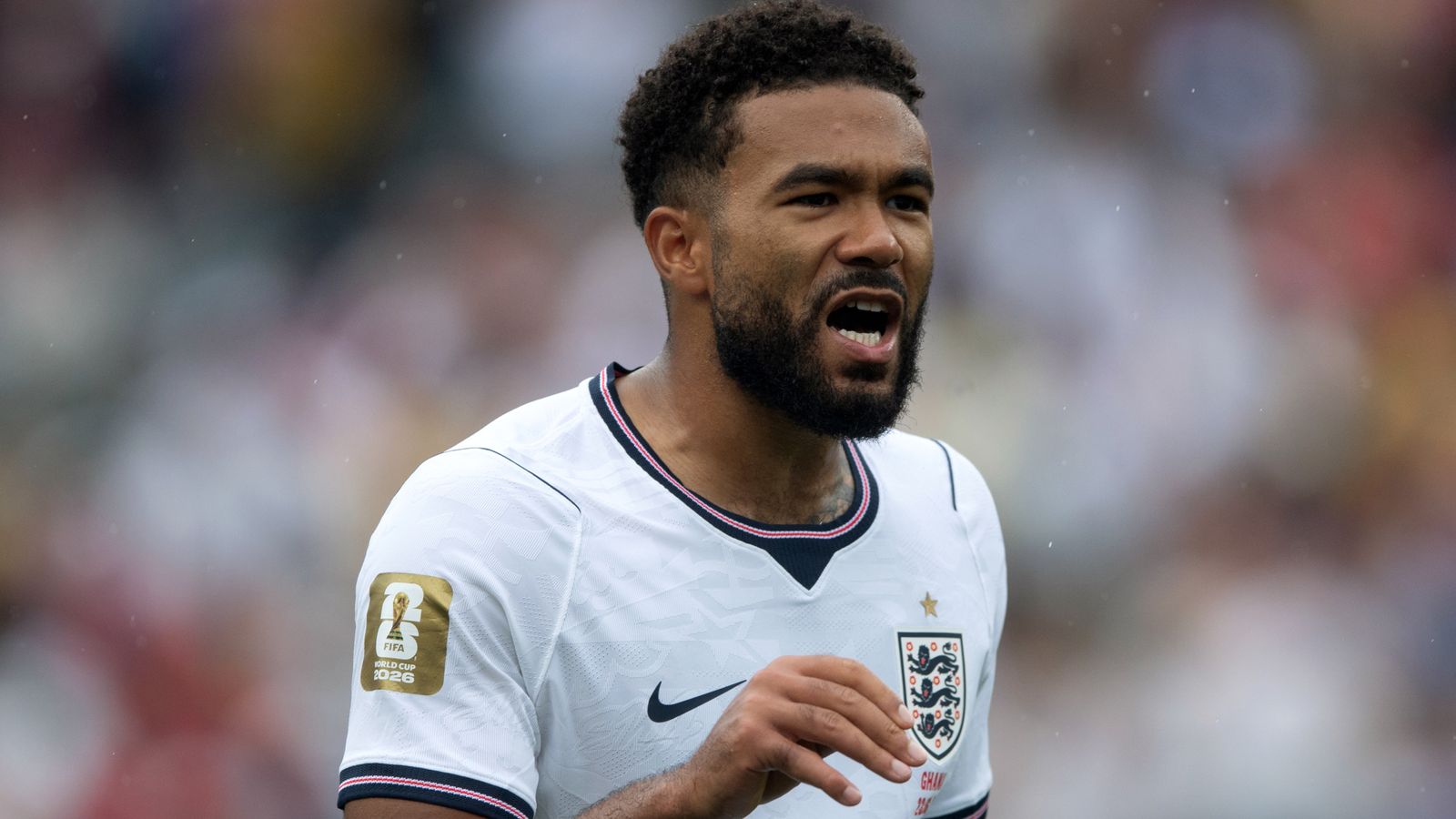
England right-backs have been at the forefront of discussion as the national team navigates injury challenges ahead of their World Cup knockout stages. Key players Jarell Quansah and Reece James missed training sessions, raising concerns over their fitness for the upcoming match against DR Congo. Quansah recently faced a daunting twist of fate with an ankle injury suffered in the win over Panama, while James has been sidelined due to a hamstring injury picked up during a crucial group clash against Ghana. With both players’ absence, the pressure grows on England’s coaching staff, particularly manager Thomas Tuchel, to find suitable replacements. As the team prepares for the intense matches ahead, the spotlight remains firmly on how the right-back situation will impact their performance on the global stage.
With the absence of pivotal figures in recent training, England’s full-back dilemma has gained significant attention. The options at right-back, particularly following the injuries to Jarell Quansah and Reece James, are few and far between as the team gears up for high-stakes World Cup matches. Having already faced setbacks with players like Tino Livramento withdrawing, the need for competent replacements becomes ever more critical. Manager Thomas Tuchel faces a challenging task in balancing squad selection while maintaining a solid defense on the pitch. As the tournament progresses, fans will closely watch how the selections at the right side of England’s defense unfold.
England Right-Backs Facing Injury Challenges
The England right-backs are currently in a precarious situation as both Jarell Quansah and Reece James missed crucial training sessions ahead of their upcoming World Cup match against DR Congo. Quansah, who recently made his World Cup debut, suffered a twisted ankle during the 2-0 victory over Panama. His replacement, Djed Spence, is also adapting to his defensive role after filling in various positions, highlighting the increasing concern around the right-back depth. Meanwhile, Reece James continues to recover from a hamstring injury sustained during a previous match against Ghana, casting further doubt on his availability.
The absence of these key players raises questions about England’s defensive strategies as they approach the knockout stage of the tournament. England manager Thomas Tuchel has had to make quick adjustments, particularly after the withdrawal of Newcastle’s Tino Livramento due to a calf issue prior to the tournament. This injury crisis not only impacts the immediate squad but also forces Tuchel to reconsider his tactical approach, as the right-back positions are pivotal for both defense and attack in modern football.
Analyzing the Impact of Reece James Injury
Reece James’s hamstring injury has been a significant setback for the England squad, especially considering his experience and skills as a right-back. Known for his attacking prowess and defensive capabilities, losing James means that Tuchel must depend on less experienced players like Djed Spence and Jarell Quansah. James was expected to be a key figure in England’s quest for World Cup glory, so this injury not only affects team dynamics but can also influence the overall confidence of the team as they face tougher opponents in the knockout rounds.
Furthermore, the lack of consistent right-back play could lead England to struggle against more formidable offenses. With Quansah also sidelined, there is pressure on players like Spence and Ezri Konsa to step up. The reliance on younger and less proven talent in these critical positions could lead to vulnerabilities that opponents may exploit, making it imperative for Tuchel to devise a strategy that addresses these gaps swiftly. The effectiveness of the right-back position directly correlates with the team’s performance, and the England camp is keenly aware of the stakes.
Emerging Talents: Jarell Quansah’s Potential
Jarell Quansah’s emergence as a right-back during this World Cup is a silver lining amidst the injury woes affecting the England squad. His brief but impactful performance against Panama showcased his potential as a formidable defender. Quansah’s ability to integrate into a competitive environment like the World Cup speaks volumes about his capabilities. He will be keen to bounce back from his recent ankle injury, as he represents a new wave of talent that England hopes can provide depth and fresh energy to the defense.
The transition from youth football to international competition can be daunting, but Quansah’s composure under pressure suggests he has the attributes needed to thrive. Tuchel’s faith in his skills may play a crucial role in shaping the defense, as further injury complications continue to challenge the established players. As Quansah develops, he will not only need to focus on his individual performance but also how well he collaborates with other defenders like Spence and Konsa to secure England’s chances of advancing.
Assessing England’s Right-Back Options
With the right-back situation looking tense for England, manager Thomas Tuchel has several options to consider as he prepares for the next match. Djed Spence has shown versatility and adaptability by switching positions during matches, but his experience is limited compared to seasoned players. Additionally, Ezri Konsa’s consistent performance has made him a reliable choice for Tuchel, reflecting the ongoing analysis of player capabilities for optimal squad selection amidst injuries.
The decisions surrounding the right-back position are not just about filling gaps; they will also impact the team’s tactical setup and style of play. England may need to mix playing styles based on who is available, leading to an adaptive approach that could either strengthen their performance or challenge their coherence on the field. The right-back position not only requires defensive proficiency but also the ability to join the offense, making this role pivotal in balancing England’s overall game plan.
Squad Depth and the Role of Trevoh Chalobah
The unexpected injury withdrawals have highlighted the significance of squad depth in a tournament setting. Trevoh Chalobah’s addition to the England squad comes at a crucial moment, providing Tuchel with a central defensive option who may need to step up as right-back if required. Chalobah’s past experiences at the club level can bring much-needed stability to the lineup, especially in high-pressure scenarios.
While Chalobah may not be the first choice for a right-back role, his ability to play in various positions allows flexibility in tactics. This adaptability will be key as England faces strong opponents in the knockout stages. His performance alongside younger players can enhance team dynamics, creating a buffer as Quansah and James recover from their injuries. As the tournament progresses, the collective resilience and depth of the squad will be tested, and players like Chalobah will be pivotal in keeping England competitive.
The Need for Resilience in the Face of Adversity
Injuries to critical players like Reece James and Jarell Quansah highlight the unpredictable nature of tournament football, where resilience becomes paramount. England’s journey through the World Cup can serve as a test of not only skills and strategies but also mental toughness. The ability to adapt to sudden changes and overcome adversities may define the success of the team in the long run.
Tuchel’s leadership will be vital in instilling a mindset of perseverance among the players. Each match serves as an opportunity for the squad to rise to the occasion, showing that adaptability and resilience can be just as crucial as technical skills when battling through the various challenges presented in high-stakes matches. This spirit of resilience can propel England forward, enabling them to focus on their ultimate goal despite the challenges they face.
Future Prospects for England’s Right-Backs
Looking ahead, the future of England’s right-backs appears to be a mixed bag filled with potential and uncertainty. Jarell Quansah and Reece James may face uphill battles to regain their spots should injuries continue or if new talents emerge in the training ground. As they both recover, developing their resilience and on-field strategies will be crucial in shaping the England defense moving forward.
The lessons learned in this tournament, particularly concerning squad management and adaptability, will enhance future selections. With the rise of young talents in the squad, England’s management will need to be proactive in nurturing these players while balancing the experience necessary for high-pressure games. All eyes will be on the right-back situation not just for this tournament, but also for the potential building of a future that stays competitive on the world stage.
Analyzing Tactical Adjustments by Thomas Tuchel
As England faces mounting injuries within its right-back roster, manager Thomas Tuchel must evaluate and adjust his tactical strategies. Knowing that both Reece James and Jarell Quansah have had challenges sustaining their fitness, Tuchel’s ability to reassess the strengths of players like Djed Spence and Ezri Konsa becomes more critical than ever. Crafting formations that accommodate their skills while addressing gaps from injuries will be essential in executing a successful game plan.
Tuchel may choose to employ a more defensive formation to shield the less experienced players in the right-back position. This tactical alteration would allow the team to maintain balance while still promising dynamic offensive plays. The right-back situation is not just a momentary challenge; it may well shape how Tuchel approaches future matches, making it a central aspect of England’s ongoing World Cup journey.
The Impact of Team Chemistry on Performance
The cohesive dynamics between players significantly influence England’s ability to adapt in the face of injury-induced changes, especially within the right-back sector. As new faces emerge to fill gaps left by Reece James and Jarell Quansah, understanding how these players synergize with each other is paramount. Tuchel’s emphasis on chemistry can foster quicker decision-making and enhance collective performance on the field.
Moreover, integrating younger talents with seasoned players can create a harmonious environment where experience guides promising newcomers. This team chemistry is crucial, as it not only bolsters confidence but also ensures smoother transitions during play. As England navigates through the challenges of the World Cup, maintaining strong interpersonal connections will be an integral aspect of their overall success.
Frequently Asked Questions
What is the injury status of England right-backs Reece James and Jarell Quansah ahead of the World Cup match?
Reece James is sidelined with a hamstring injury sustained during a match against Ghana, and he has not resumed training, making his participation in the upcoming World Cup match against DR Congo unlikely. Jarell Quansah also missed training due to a twisted ankle sustained in the match against Panama, raising concerns about the England right-backs heading into the knockout stage.
| Player | Status | Injury Details | Potential Replacements |
|---|---|---|---|
| Jarell Quansah | Missed Training | Twisted ankle from the match against Panama | Djed Spence, Ezri Konsa |
| Reece James | Missed Training | Hamstring injury from the match against Ghana | Djed Spence, Ezri Konsa |
| Tino Livramento | Withdrew from Squad | Calf issue prior to tournament | Trevoh Chalobah called up |
Summary
England right-backs Jarell Quansah and Reece James faced significant challenges as they both missed training ahead of crucial World Cup matches. The absence of these players highlights the injury woes the team is experiencing, particularly at the right-back position. Quansah twisted his ankle during a match against Panama, while James continues to recover from a hamstring injury sustained in a previous game. This situation has led to increased scrutiny regarding the selection and depth of England’s squad, with viable replacements on the table like Djed Spence and Ezri Konsa stepping up in their absence. As the World Cup progresses, the management, led by Thomas Tuchel, must navigate the complexities of their defensive lineup, ensuring they field the best possible team despite the setbacks.